Study: U.S. Electricity Demand Could Jump 32% by 2030 Amid AI Data Center Surge
As a result of rising factors from artificial intelligence, data centers and the electrification of transportation and industry, a report released this month highlights that U.S. electricity demand could spike by as much as 32% by 2030.
Researchers at the University of Houston examined the investments, emerging technologies and U.S. policy changes needed to expand the nation’s power grid in the university's latest Growing the U.S. Electricity System analysis. The UH Energy team states that while the pace of this demand remains uncertain, natural gas, solar and battery storage are expected to handle much of the near-term load. Advanced geothermal and nuclear technologies researchers add, could play larger roles as they mature as baseload resources.
“Meeting future electricity demand will require more than building new generation,” said Greg Bean, author and executive director of the Gutierrez Energy Management Institute at the C.T. Bauer College of Business. “Expanding transmission, improving utilization of the existing grid and adopting innovative technologies will all be essential to creating a reliable and resilient electricity system.”
Bean notes the country must expand grid capacity while ensuring the system remains reliable and affordable for all consumers. This balance is key as developers seek faster access to electricity.
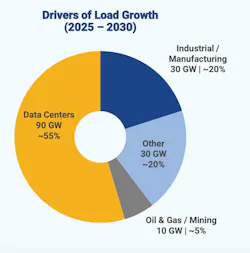
However, emerging issues surrounding rapid data center development, increased water consumption and growing community opposition have made this landscape much more complex. This opposition is compounded by lengthy permitting processes, aging infrastructure and lingering transmission bottlenecks, all of which require significant capital investment to improve grid capacity.
To bypass these backlogged interconnection queues, developers have increasingly turned to behind-the-meter power generation as a short-term solution, UH Energy explains. Alongside these setups, researchers explore the growing role of distributed energy resources (DERs), virtual power plants (VPPs) and advanced grid technologies in improving system flexibility.
The report also lists long-duration energy storage (LDES) as an evolving technology and strategy capable of reducing grid strain during peak hours and revolutionizing how future electricity is delivered and managed.
About the Author
 Eric Moody