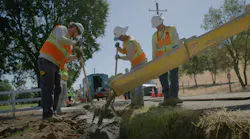
Xcel Energy Moves 7.31 Miles of Power Lines Underground at Palo Duro Canyon
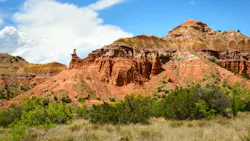
Xcel Energy is moving selected overhead power lines underground in Palo Duro Canyon State Park in Texas as part of efforts to reduce wildfire ignition risks and preserve views of the canyon.
The work involves undergrounding overhead distribution facilities on state park property, both inside the canyon and along its rim, extending from the Texas Department of Transportation (TxDOT) right-of-way.
“This is a transformative project for the park and the visitors we serve. Moving utilities underground improves safety for visitors and staff, strengthens our wildfire mitigation efforts, and protects the viewshed for future generations,” said David Fischer, park superintendent. “We appreciate Xcel Energy’s partnership and investment in helping preserve the safety and beauty of Palo Duro Canyon State Park.”
The project is divided into more than 10 phases and includes primary and secondary distribution facilities. More than six miles of overhead 15-kV power lines will be removed and replaced with underground three-phase primary lines and secondary lines extending to meters.
The project spans Randall and Armstrong counties and will place a total of 7.31 line miles underground when completed. Work is scheduled to continue through June 2027. Xcel Energy line crews based in Canyon, Texas, are performing the work, with Driver Directional serving as the contractor.
Before construction began, archaeological and geological analyses were conducted under permits from the Texas Parks and Wildlife Department (TPWD) to identify any sites that could require construction to stop or be rerouted.
Xcel Energy is also working with TPWD on the project, which is expected to provide an opportunity for a future force water main installation at the park.
Removing overhead lines also is expected to reduce the need for vegetation management, including tree and brush trimming, along nearby roadways.
“Not every line should be buried, so we are only doing this where it makes sense,” said Eran Moore, director of distribution design at Xcel Energy. “There are several benefits to burying targeted lines where the fire risk is high. Putting power lines underground takes certain hazards out of the equation, like overhead exposure, high winds and vegetation that can catch a spark.”
Undergrounding all power lines is not possible or cost-effective. In areas where overhead lines remain, mitigation measures may include fire-resistant equipment, electrical protection devices, and inspections of lines and poles.
Xcel Energy uses multiple layers of protection to help reduce wildfire risks and improve the resilience of its electric system during severe weather.
“There is no single solution to the threat that wildfire poses, but burying lines in certain high-risk areas helps reduce risk,” said Wes Reeves, senior wildfire community engagement manager at Xcel Energy. “Our approach is to match the right solution to the right location and continually evolve how we prepare for and respond to fire-weather conditions.”
Other targeted undergrounding projects by Xcel Energy in the Texas Panhandle include work around Timber Creek Canyon, River Falls, Sunday Canyon and the Palo Duro Club.