More Than a Magazine: How Co-ops Connect With Communities
Key Highlights
- Co-op magazines pair practical utility information with local features that reflect members’ lives and interests.
- Their shell-and-insert format lets statewide associations and local cooperatives share publishing while tailoring content to their communities.
- Established readership makes these publications a trusted channel for explaining rate changes, sharing safety messages and reaching future members.
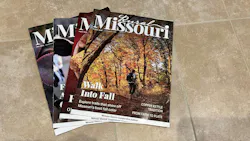
My in-laws are members of a rural electric cooperative in Missouri, right in the middle of the heartland. Every time I visit them, they save all their Rural Missouri co-op print magazines because they know I love magazines AND I work in the electricity industry. I didn’t tell them to start saving them for me, but now that they’ve started doing that, I look forward to that stack of issues they have ready for me. (I also look forward to seeing them, too.)
My predecessor, Editor-in-Chief Rick Bush, subscribed to a number of co-op publications in all shapes and sizes. Some were tabloid-sized, more like large newspapers, while others were the magazine size that T&D World is. He would browse through them for hidden story ideas. Even though the audience is co-op members, the publications mix in project updates and industry trends among the local-color stories.
The latest issue of Rural Missouri was typical of co-op magazines across the nation: a colorful and artistic cover, which I appreciate as a magazine editor; an editor’s letter; a photo contest announcement; a state parks feature; features on landmarks and other tourist attractions; a profile of a woodworker; some restaurant profiles; recipes; and a calendar of events from around the state.
One particular sidebar I loved offered statistics from the Missouri Electric Cooperatives building at the state fair. They had 169 coloring sheets turned in by young members, 145 scavenger hunts completed by fairgoers, and 81 scholarship applications submitted for four $550 scholarships. I appreciate what co-ops are doing to reach and serve younger and future members.
Don’t forget the display ads: a full-page ad for a walk-in tub and one for a hearing aid, suggesting the publications’ reach among older readers. There is also a marketplace featuring small businesses selling pole barns, roofing services, and more, along with a coin and stamp show.
Also included, as is typical of the co-op magazine structure, is an insert from the local county co-op. Many state associations use the “shell and insert” strategy, where the association produces the shell of the issue, while individual co-ops buy a dedicated section in the center to include their own specific utility updates, annual meeting notices and community spotlights.
We often write about community engagement and customer service by utilities, and electric co-op consumer magazines are a masterclass in local community engagement. They are local lifestyle magazines that feature energy advice and utility updates. I hunted through the issues in my latest batch to find the utility “news” and tips. Of course, there were 811 notices, a general manager’s column (framed like an editorial) on understanding your electric bill, and refrigerator and freezer efficiency tips.
I looked up some statistics on major rural co-op publications and found that, according to America’s Rural Electric Cooperatives (AMP Network), a network of 26 regional co-op magazines reaches more than 9 million households and 27 million readers nationwide.
These magazines began in the 1940s, alongside the rapid expansion of rural electrification following World War II, growing from simple informational bulletins into major state and national communications platforms. In the 1950s, as rural electrification reached more than 90% of U.S. farms, the magazines shifted from teaching basic electricity to fostering community identity, sharing local news and building cooperative pride.
Now, when a co-op needs to explain why rising supply chain costs are impacting rates or broadcast urgent electrical safety messages before storm season, it has an established, trusted source that boasts higher regional readership than most mainstream newspapers, especially now.
And they aren’t all print. Many have digital magazine issues and websites, but there isn’t a better way to reach your members than by sending a beautiful, well-written magazine right to their homes.
As I write this, we have just finished the month of October, and I read in the editorial from the CEO of Missouri Electric Cooperatives that it was “Co-op Month,” which is celebrated by cooperatives of all kinds nationwide. It is an annual opportunity to raise awareness of one way to do business and “build resilient, inclusive communities.”
I applaud all of you co-ops out there for continuing to serve your members reliably and resiliently, while also keeping the rural-life identity alive — one of the many beautiful threads of America.
These publications remind us that at the heart of it all are the people and communities our industry exists to serve
About the Author
 Nikki Chandler
Group Editorial Director, Energy
Nikki is Market Content Director for the Endeavor Business Media Energy group, which includes T&D World, EnergyTech and Microgrid Knowledge media brands. She has 30 years of experience as an award-winning business-to-business editor, with 24 years of it covering the electric utility industry. She started out as an editorial intern with T&D World while finishing her degree, then joined Mobile Radio Technology and RF Design magazines. She returned to T&D World as an online editor in 2002, and took over as managing editor in 2017, then market content director in 2023. She has contributed to several publications over the past 30 years, including Waste Age, Wireless Review, Power Electronics Technology, and Arkansas Times. She graduated Phi Beta Kappa with a B.S. in journalism from the University of Kansas.
Related
 Rafael Ben Ari Dreamstime

