Reliability by Design: Creating a Safer Transmission Corridor for Wildlife
Key Highlights
-
Improves wildlife safety with covered conductors and a highly visible cable design that helps reduce bird collisions and electrocutions.
-
Creates a smaller transmission footprint, reducing corridor width by up to 70% and helping preserve surrounding habitats.
-
Supports reliable power delivery up to 138 kV while integrating wildlife and habitat protection into the transmission system design.
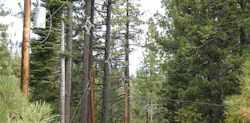
As utilities expand transmission capacity, reliability must encompass more than electrical performance. It should also reflect how responsibly infrastructure coexists with surrounding wildlife and habitats.
Power-line interactions can injure or kill birds through collision or electrocution. The U.S. Fish and Wildlife Service identifies siting and design as key measures for reducing collisions and recommends sufficient separation or covered energized components to reduce electrocution risk. Recent T&D World reporting also reflects the industry’s growing focus on line visibility and habitat protection.
For transmission applications, this calls for a design strategy centered on avoiding and minimizing harm. Hendrix® Aerial Cable Systems (ACS) create a structural protection zone through a compact, visible cable bundle and covered phase conductors supported by engineered spacers on a messenger wire.
Helping Birds See and Avoid the Line
Birds may encounter transmission lines while migrating, hunting, approaching a nest or flying in low-light and poor-weather conditions. Eagles, hawks and other large birds can be particularly vulnerable when focused on prey or surrounding terrain.
The Hendrix spacer-cable configuration groups phase conductors into a defined bundle with a larger visual profile than individual wires. This structure helps birds recognize the line, adjust their flight path and avoid a collision. Rather than relying solely on an added visibility device, collision avoidance begins with the line’s geometry.
Reducing Exposure to Energized Conductors
Unlike conventional bare-wire systems, Hendrix ACS uses covered phase conductors. The covering helps reduce wildlife exposure to energized surfaces and diminishes arcing risk when contact occurs with wildlife, vegetation, the ground or another conductor. Engineered spacers maintain separation among the phases, creating another structural layer between wildlife and the energized system.
Together, these features help reduce the potential for electrocution and resulting injury or death. They work alongside appropriate siting, required clearances, protective relaying, inspection, maintenance and utility Avian Protection Plans consistent with Avian Power Line Interaction Committee guidance.
Extending Protection to the Habitat Below
Hendrix ACS can reduce required corridor width by as much as 70% compared with horizontal bare-wire transmission structures. Its compact footprint can allow utilities to add capacity within an existing right-of-way while limiting additional land acquisition and clearing.
Leaving more trees and vegetation undisturbed helps preserve shelter, forage and movement corridors for birds and terrestrial wildlife, including deer and elk. Covered conductors also help reduce arcing if contact occurs with the ground, vegetation or wildlife. The protection zone therefore extends beyond birds in flight to the habitat beneath and around the line.
No transmission design can eliminate every wildlife interaction. It can, however, reduce avoidable risk at its source. For applications up to 138 kV, Hendrix ACS integrates visibility, conductor covering, compact geometry and habitat preservation into the structure itself.
That is reliability by design: transmission infrastructure engineered to perform while coexisting more responsibly with the life around it.
This content is sponsored by: