Strategic Wildlife Mitigation for Resilient Power Systems
Key Highlights
- Wildlife-related faults can be systematically reduced through design improvements such as increasing phase-to-ground and phase-to-phase clearances and applying insulation enhancements.
- Targeted upgrades like covered conductors, wildlife-resistant hardware, and undergrounding can significantly decrease outages and fire risks in high-exposure corridors.
- Integrating wildlife mitigation into broader grid hardening strategies improves reliability, reduces environmental impact, and supports regulatory compliance.
- Advanced inspection tools, including drone and infrared technologies, enable early detection of wildlife activity and equipment degradation, facilitating proactive maintenance.
- Design-focused wildlife mitigation aligns with long-term asset protection, operational cost reduction, and environmental stewardship, making it a core component of modern grid resilience.
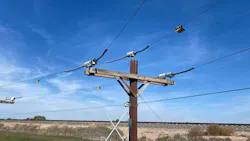
Wildlife mitigation is a critical component of modern transmission and distribution system design. Animal-related outages should no longer be treated as random or unavoidable events, but as predictable engineering risks that can be addressed through design, material selection, and targeted system upgrades. When evaluated alongside other environmental factors such as wind, ice, or contamination, wildlife exposure can be systematically managed to reduce fault frequency and prevent minor contact events from escalating into extended outages or ignition incidents.
Wildlife mitigation is most effective when integrated into broader grid hardening and resilience strategies rather than implemented as a standalone initiative. Many animal-caused faults involve the same electrical mechanisms that drive wildfire ignition and equipment damage, including phase-to-ground contact, phase-to-phase bridging, and sustained arcing across insufficient clearances. Therefore, addressing wildlife exposure at the design level supports reliability improvement, fire risk reduction, and long-term asset protection.
Reducing Contact Points in High-Risk Corridors
Animal-caused electrical faults are typically created by unintended conductive pathways between energized and grounded components. Three primary mechanisms account for most wildlife-related events.
Phase-to-ground bridging occurs when an animal simultaneously contacts an energized conductor and grounded hardware such as a pole, crossarm, guy wire, or structure-mounted equipment. This mechanism is common with climbing mammals and birds accessing pole-top assemblies.
Phase-to-phase bridging results when animals with sufficient wingspan or body length contact multiple energized phases at once. The risk increases in areas with tight phase spacing, compact structure configurations, or horizontal phase arrangements.
Intrusion into energized interfaces includes animal entry into areas with limited electrical clearances, such as cutouts, reclosers, transformer bushings, dead-end assemblies, and jumper connections. These locations often combine exposed conductors with elevated electric field strength, increasing the likelihood of arcing and sustained faults.
In high-risk corridors such as vegetated, remote, or high wildlife activity areas, these fault mechanisms can escalate rapidly. Even brief animal contact can lead to equipment damage, sustained outages, or ignition events. In these environments, system design should prioritize reducing both the likelihood of fault initiation and the energy released during fault events. Increasing phase-to-phase and phase-to-ground separation, improving insulation coordination, and minimizing exposed energized surfaces directly reduce flashover risk. Additional measures such as increasing conductor spacing, specifying higher creepage and strike distances, and limiting open conductive interfaces further reduce susceptibility to wildlife contact. Targeted application of insulation such as covered conductors, conductor wraps, and insulated hardware limits arc development and reduces ignition potential, particularly in high-risk spans.
In simple terms, wildlife creates unintended electrical connections that the system was never designed to handle. While understanding these fault mechanisms is critical, the greater opportunity lies in systematically addressing them through design.
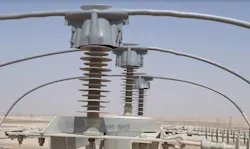
A More Strategic Approach to Grid Hardening
Effective wildlife mitigation focuses on limiting animal access to energized components, increasing electrical clearances, and minimizing exposed energized surfaces through design-based solutions rather than reactive measures. Because risk varies by geography, environmental conditions, and system configuration, grid hardening is most effective when applied selectively. Identifying these factors allows utilities to shift from broad system upgrades to targeted strategies that maximize reliability and return on investment.
Design improvements such as modifying phase geometry and eliminating unnecessary exposed hardware can reduce wildlife-related fault exposure without requiring full system replacement. Insulation and covering systems are among the most effective tools, as covered conductors, insulated hardware, wildlife guards, and equipment covers increase electrical distance and reduce fault energy, limiting arcing duration, ignition potential, and equipment damage. In high-exposure corridors, replacing bare conductors with covered alternatives and upgrading pole-top assemblies with wildlife-resistant insulation can significantly reduce both sustained and momentary outages.
Undergrounding can eliminate many wildlife-related fault mechanisms when applied strategically, though soil conditions, permitting requirements, installation cost, and long-term maintenance must be evaluated. In these environments, rodent-resistant power and control cables with reinforced jackets or metallic barriers provide additional protection against damage from small animals, particularly where cable exposure cannot be fully eliminated.
Advanced inspection and analytics further improve mitigation effectiveness. Historical outage data, combined with system configuration and environmental factors, can identify recurring problem areas and dominant failure mechanisms. Technologies such as drone inspections, infrared thermography, and image analytics support early detection of wildlife activity, contamination, and equipment degradation, reducing reliance on reactive maintenance. Wildlife mitigation is most effective when coordinated with vegetation management and incorporated into broader grid hardening programs to ensure mitigation measures address multiple risk factors at the same time.
Protecting Reliability, Communities, and the Environment
Animal-caused faults remain a significant source of both momentary and sustained outages on many transmission and distribution systems. These events frequently result in equipment damage that accelerates asset degradation and increases maintenance demand. Reducing wildlife-related faults extends equipment life, lowers operating costs, and improves overall service reliability.
At the same time, limiting wildlife contact with energized equipment reduces animal mortality and minimizes environmental disturbance associated with emergency repairs. Fewer emergency repairs and site visits also reduce operational disruption, environmental disturbance, and long-term maintenance exposure. Systems engineered to coexist with surrounding ecosystems experience fewer forced outages and require fewer reactive interventions over their service life.
Wildlife-friendly designs also support compliance with environmental regulations and industry guidance, including recommendations from the Avian Power Line Interaction Committee (APLIC). Incorporating these practices demonstrates responsible utility stewardship while aligning reliability objectives with public safety and environmental expectations.
Wildlife mitigation is no longer a supplemental or reactive practice; it is a fundamental component of modern grid design. By reducing exposed energized surfaces, increasing clearances, and applying targeted insulation and hardening strategies, utilities can significantly decrease both the frequency and severity of animal-related faults.
When combined with data-driven inspection, vegetation management, and coordinated system planning, these measures enhance grid resilience, reduce wildfire risk, and support long-term asset performance. Integrating wildlife mitigation into engineering standards and long-term planning. As systems become more complex and exposure increases, treating wildlife interaction as an engineering problem rather than an environmental afterthought will be central to building more resilient grids as well as safer, reliable, and sustainable electric systems.
About the Author
Phil Basdekis
Phil Basdekis is Engineer, Overhead Engineering, at Southwire. He has over 17 years of experience in transmission line engineering, specializing in the design and analysis of systems from 23 kV to 345 kV. He has extensive expertise in line design for rebuilds, reconductoring, and refurbishment projects. He collaborates closely with utilities and project teams to support successful project execution and ensure the reliable performance of transmission and distribution systems.