From Inspection Data to Reliable, Resilient Infrastructure
Key Highlights
- Rising demand, extreme weather, and aging infrastructure are making utility operations more complex.
- Utilities need to turn growing volumes of inspection data into clear, actionable insight.
- Earlier detection and risk-based prioritization can shift maintenance from reactive response to proactive planning.
- Connecting inspection, GIS, asset, and work management systems helps teams move from detection to repair.
- Infrastructure intelligence is becoming a strategic advantage for reliability, resilience, and investment decisions.
Recent industry moves, including NextEra Energy’s proposed acquisition of Dominion Energy, have sparked discussion about utility strategy, capital allocation, and the future of energy infrastructure. While each transaction has its own business rationale, these decisions reflect a broader shift taking place across the sector.
Utilities are preparing for a future shaped by rising electricity demand, accelerated grid modernization, extreme weather, aging infrastructure, and growing reliability expectations. The conversation often focuses on what utilities are buying, selling, or building. Those are important questions. But an equally important question is how utilities will manage the infrastructure they already own and the infrastructure they will be expected to support in the years ahead.
As the industry enters its next chapter, infrastructure management is becoming just as important as infrastructure ownership.
A More Complex Operating Environment
For decades, many utilities operated in an environment where electricity demand was relatively stable and asset management programs followed predictable cycles. That environment has changed.
Data centers, electrification initiatives, electric vehicles, distributed energy resources, and economic development are increasing pressure on the grid. At the same time, utilities are expected to improve resilience, reduce outage risk, and maintain safe operations across large service territories.
A utility may be responsible for hundreds of thousands of poles, towers, transformers, substations, and other critical assets. Every asset ages differently. Every region faces different environmental conditions. Every maintenance decision carries implications for reliability, safety, and cost. The challenge here is not only scale, its complexity.
From Inspection Data to Asset Intelligence
Historically, utilities have relied on scheduled inspections, field crews, and manual review processes to assess asset condition on a multi-year cycle. These methods remain important, but they were designed for a different operating environment.
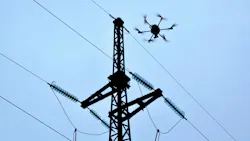
Today, inspection programs generate enormous volumes of data. Drone programs capture tens of thousands of images in a single cycle, with programs often collecting hundreds of thousands or millions of images per year. Field teams collect information across multiple systems. Asset managers are expected to make faster decisions with more information than ever before.
Most utilities do not lack data. The harder challenges are effectively managing that data, understanding what that data means and turning it into timely action.
Infrastructure intelligence addresses that gap. At its core, it is the ability to create a clear, accurate, and timely view of asset conditions across the grid. It combines inspection data, operational information, and advanced analytics to help utilities identify issues earlier, prioritize maintenance, and make better decisions about where to invest resources. Infrastructure intelligence leverages multiple datasets to break down these historical data silo barriers to create a holistic view of asset health.
Why Visibility Is Becoming Strategic
The cost of uncertainty is rising. Traditionally, many infrastructure issues are identified only after they have progressed to the point of becoming critical defects, leaving utility crews with a finite window to respond before they contribute to an outage, equipment failure, safety incident, or emergency repair. This creates an inherently reactive cycle: identify the problem, determine its severity, mobilize the appropriate resources, and make the repair, often under significant time and operational pressure.
At the same time, expanded drone programs, more frequent inspections, and increasingly sophisticated detection capabilities are giving utilities visibility into a much higher volume of defects and anomalies across their systems. Greater visibility is valuable, but it also creates a new challenge. Utilities cannot address every identified issue at once, and maintenance budgets, field crews, equipment, and operational resources remain finite. The question is no longer simply whether a defect can be detected, but how quickly utilities can understand its condition, assess its risk, and determine where intervention will have the greatest impact.
That makes earlier detection and effective prioritization increasingly important. By understanding how asset conditions are changing over time and the downstream implication of the defect’s location, utilities can identify emerging problems before they become critical and give crews a larger window to plan and execute maintenance, shifting more work from reactive response toward proactive, condition based maintenance.
Reliability Will Be Data Driven
Reliability remains the central responsibility of every utility. Customers expect power when they need it. Regulators and policymakers expect safe and resilient operations. As more parts of daily life depend on electricity, the consequences of outages continue to grow.
Improving reliability requires investment in physical infrastructure, but it also requires better insight into the condition of that infrastructure.
When utilities can identify defects earlier, monitor asset health more consistently, and prioritize repairs based on actual condition, they can move from reactive maintenance toward a more predictive model. This helps teams focus on the assets most likely to affect reliability, safety, or cost.
That shift is becoming especially important as utilities prepare for increased demand. The industry will continue investing in generation, transmission, distribution, and grid modernization. But every new investment adds complexity to the system. The more complex the grid becomes, the more important it is for utilities to understand asset health in a consistent and actionable way.
Resilience Requires Better Operational Awareness
Resilience also depends on ensuring that infrastructure insights do not exist in a vacuum. Utilities often manage inspection data, GIS information, asset records, and maintenance workflows across separate systems, creating data silos that can make it difficult to move efficiently from identifying an issue to resolving it. Breaking down those barriers gives teams a more complete view of asset condition and risk.
Inspection insights become more actionable when they connect directly with the systems utilities already use. An identified anomaly can be visualized on an accurate GIS map, paired with the correct asset information from an asset performance management system, and prioritized within a work management system for maintenance or repair. Connecting these systems creates a clearer path from detection to decision to action, helping utilities direct limited resources toward the issues that pose the greatest risk.
The utilities that make the most progress will not be the ones that collect the most data. They will be the ones that create the clearest view of infrastructure conditions and use that intelligence to guide maintenance, investment, and reliability decisions.
Beyond the Headlines
Transactions such as the Dominion and NextEra agreement show how utilities are positioning themselves for long-term change. These moves will continue as the industry evaluates capital priorities, growth opportunities, and the infrastructure required to support future demand. But beyond the headlines, one reality remains constant: every utility depends on the performance of its physical assets.
Poles, towers, substations, transformers, conductors, and transmission lines remain the foundation of reliable electric service. Understanding their condition, anticipating potential failures, and prioritizing maintenance will remain among the most important responsibilities utility leaders face.
The next chapter of the utility industry will be shaped by investment, modernization, and innovation. It will also be shaped by something less visible but equally important: the ability to understand infrastructure conditions in near real time and act before small problems become larger ones.
In an industry where reliability remains the ultimate measure of success, infrastructure intelligence is becoming a strategic advantage.
About the Author
Kaitlyn Albertoli
Kaitlyn Albertoli is CEO and Co-Founder of Buzz Solutions.
Related
 fire near power line and vegetation
 dreamstime_m_84292202