Evolving Leadership Playbook for Today’s Workforce
Key Highlights
- Utility leaders must blend tactical expertise with strategic vision to manage workforce transitions and technological changes effectively.
- The 'silver tsunami' poses a significant risk to institutional knowledge, necessitating mentorship, digital documentation, and continuous training.
- Effective leadership requires adopting multiple styles—authoritative for safety, collaborative for teamwork, coaching for development, and systemic for strategic planning.
- Bridging the knowledge gap involves enhancing corporate literacy among supervisors to align technical skills with financial and regulatory understanding.
- Fostering a safety-first culture, promoting diversity, and investing in workforce resilience are key to sustaining reliable utility operations in a digital age.

America’s utility landscape is undergoing a seismic shift. As the sector races toward modernization — driven by digitalization, distributed energy resources and mounting regulatory demands — leadership in transmission and distribution is more crucial than ever. But as the workforce ages and new technologies emerge, utility leaders face unprecedented challenges. The old playbook isn’t enough. Today’s supervisors must adapt, blending tactical know-how with strategic vision, corporate acumen and a deep commitment to safety and collaboration.
The transformation underway in the utility industry is not just about technological upgrades or regulatory compliance — it’s fundamentally about people. The workforce, once dominated by seasoned veterans with decades of experience, is rapidly evolving.
The Workforce Challenge: Navigating the Silver Tsunami
One of the most pressing issues is the “silver tsunami” —the rapid retirement of experienced operators and trade workers across the utility industry. It threatens to drain the sector of hard-earned institutional knowledge, leaving organizations vulnerable to skill gaps and operational risks. At the same time, the influx of younger workers, many of whom bring fresh perspectives but lack the hands-on expertise of their predecessors, creates a complex dynamic that leaders must navigate.
As veteran employees leave, utilities scramble to preserve their knowledge while recruiting and training a new generation. This demographic shift threatens infrastructure continuity and heightens the risks posed by knowledge gaps, especially in high-stakes environments such as electric transmission and distribution. Utility leaders must respond by not only maintaining operational excellence but also redefining how they lead, mentor and manage their teams.
Leading in a New Era
Utility supervisors must embrace a multifaceted approach that goes beyond managing day-to-day operations. They are called upon to serve as mentors, guiding less-experienced employees through the intricacies of the T&D environment while fostering a culture of continuous learning. This includes leveraging digital tools for training and knowledge transfer to ensure that critical safety practices and technical procedures are understood and consistently applied across generations.
Modernization also brings new expectations. With the rise of distributed energy resources and smart grid technologies, the boundaries between traditional and emerging roles are blurring. Supervisors must be agile, ready to pivot as new challenges and opportunities arise. They must cultivate resilience and adaptability within their teams, encouraging openness to change and innovation. The ability to balance operational excellence with strategic foresight is essential — not only to meet regulatory requirements, but to drive sustainable growth and enhance reliability in a rapidly changing landscape.
Four Leadership Styles: The Modern Utility Supervisor’s Tool Kit
Success in today’s T&D sector hinges on adopting multiple leadership styles — each tailored to the demands of the situation. Gone are the days when a single, authoritative approach sufficed. The most effective leaders pivot seamlessly, combining safety-first command with collaborative and coaching methodologies and ultimately embracing systemic, strategic thinking. Let’s explore each style and its critical application in the utility workforce.
1. Authoritative: Safety-Centric Command
The Approach: When lives are on the line, clarity and decisiveness are paramount. Authoritative leadership is the bedrock for safety in high-voltage environments, where mistakes can mean catastrophe. Supervisors must issue clear, direct instructions, enforce strict protocols and ensure absolute compliance with safety standards.
When It’s Essential: This style is indispensable during field operations, particularly on energized lines or during emergency restoration efforts. It provides the structure needed to minimize risk and protect workers and the public.
The Risk: Overreliance on this style can create tension or stifle initiative, especially outside critical scenarios.
The Key Takeaway: Use authoritative leadership judiciously — reserve it for situations where safety and compliance demand it, then transition to more collaborative approaches as circumstances allow.
2. Collaborative: Building Trust and Teamwork
The Approach: Collaboration fosters engagement, respect and buy-in. In daily operations, supervisors who involve their crews in decision-making, listen to feedback and value expertise create a culture of trust and open communication.
When It’s Essential: This style shines when navigating labor-management boundaries, resolving disputes, or implementing new technologies and processes. It’s especially effective in heterogeneous teams — balancing generational differences and diverse backgrounds.
The Risk: Too much collaboration can slow decision-making or dilute accountability.
The Key Takeaway: Use collaborative leadership to strengthen relationships, encourage innovation and drive collective problem-solving, but anchor it with clear roles and expectations.
3. Coaching: Developing Crews for the Future
The Approach: Coaching is about nurturing talent, guiding growth and preparing crews for tomorrow’s challenges. Supervisors who mentor apprentices, offer constructive feedback and create opportunities for skill development set the stage for long-term success.
When It’s Essential: Coaching is vital in onboarding new hires, transitioning retiring workers’ knowledge and upskilling teams for digital and regulatory demands.
The Risk: If not balanced with operational needs, coaching can be perceived as time-consuming or irrelevant.
The Key Takeaway: Integrate coaching into daily routines — use mentoring moments to embed best practices, foster resilience and ensure continuity as the workforce evolves.
4. Strategic & Transformational (The "Systemic" Style)
The Approach: Forward-looking, data-driven, and focused on operational efficiency and regulatory compliance. Strategic leaders think beyond daily field tactics, shaping broad, long-term operational strategies.
When It’s Essential: Managing a software-driven smart grid, integrating distributed energy resources (DERs), navigating NERC/FERC compliance, and overseeing multi-million-dollar O&M or CapEx budgets.
The Risk: Trade workers are rarely trained in corporate and financial literacy during standard apprenticeships, making this the hardest style for an "Accidental Supervisor" to adopt without deliberate training.
The Key Takeaway: The most successful T&D leaders don't rely on a single style. They utilize an authoritative style to ensure absolute safety on a high-voltage line and seamlessly pivot to a collaborative or coaching style when developing their crews and navigating labor-management boundaries back at the district.
Learning to Communicate with Other Teams
Collaboration has become a cornerstone of effective leadership. Utility organizations are increasingly interdisciplinary, requiring seamless coordination across engineering, operations, IT and customer service. Leaders who foster trust, communicate clearly and empower their teams can unlock greater productivity and morale, especially in high-pressure situations such as emergency response or system upgrades.
Safety, meanwhile, remains the non-negotiable foundation. The stakes have never been higher, and supervisors must ensure that safety protocols are rigorously followed, while also promoting a proactive safety culture that anticipates and mitigates risks.
Ultimately, the new era of utility workforce leadership demands a dynamic blend of skills, mindsets and approaches. It calls for supervisors who are not only experts in their field, but who are also visionary, empathetic and committed to developing the next generation of utility professionals. As the industry continues to transform, those who can lead with agility, integrity and purpose will be best positioned to thrive — and to guide their organizations safely and successfully through the challenges ahead.
The Knowledge Gap: Why Corporate Literacy Matters
As utilities invest in digital infrastructure, distributed resources and regulatory compliance, leaders must bridge the gap between technical expertise and business acumen. Many supervisors rise from the ranks of trade workers, bringing invaluable field experience but lacking exposure to corporate finance, operations strategy and regulatory frameworks.
Deliberate training in these areas is critical. Supervisors who understand the financial and regulatory context of their decisions can better align their crews’ efforts with utility-wide goals, ensuring compliance and maximizing efficiency.
Preserving Institutional Knowledge: Strategies for Succession
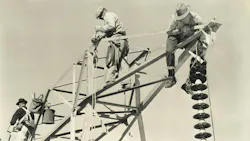
With the impending retirement of seasoned operators, utilities must act swiftly to capture and transfer institutional knowledge. Strategies include:
- Structured mentorship programs pairing veteran workers with apprentices.
- Digital documentation of best practices, procedures, and troubleshooting guides.
- Interactive training modules leveraging real-world scenarios and simulations.
- Regular knowledge-sharing sessions to reinforce learning and foster a culture of continuous improvement.
Investing in these strategies not only preserves operational continuity but also empowers new hires to step confidently into leadership roles.
Regulatory Compliance: Navigating NERC/FERC and Beyond
From the North American Electric Reliability Corporation (NERC) to the Federal Energy Regulatory Commission (FERC), compliance is a constant in the utility sector. Leaders must understand evolving requirements, proactively manage risk and ensure their teams are trained in the latest standards.
This demands a proactive, systemic approach — embedding compliance into daily operations, leveraging data analytics for real-time monitoring and fostering a culture where safety and reliability are non-negotiable.
Smart Grids and Distributed Energy Resources: Leadership in the Digital Age
The rise of smart grid technology and distributed energy resources (DERs) transforms how utilities operate. Leaders must adapt to new software platforms, integrate renewable generation and manage complex, interconnected systems.
This transition requires a blend of technical savvy and strategic foresight. Supervisors must understand the capabilities and limitations of digital tools, train crews in their use and anticipate the operational impacts of DER integration.
Operational Efficiency: Managing O&M and CapEx Budgets
As capital and operational expenditures balloon with modernization projects, leaders are tasked with optimizing budgets while maintaining reliability. This calls for data-driven decision-making, rigorous prioritization and transparent communication with both crews and corporate stakeholders.
Supervisors who master financial literacy and project management can drive efficiency — identifying cost-saving opportunities, minimizing waste and ensuring investments deliver long-term value.
The Human Factor: Building Resilient, Adaptable Teams
Ultimately, the success of a utility depends on its people. Leaders must foster resilience, adaptability and a shared sense of purpose. This means:
- Promoting psychological safety — where team members can voice concerns and challenge assumptions.
- Encouraging diversity of thought and experience, recognizing the value of different perspectives.
- Investing in wellness and work-life balance, reducing burnout and turnover.
- Celebrating achievements and learning from setbacks.
Resilient teams weather industry disruptions, embrace innovation and sustain performance in the face of adversity.
The Leadership Imperative in a Changing Industry
The utility sector stands at a crossroads. As the workforce ages and technology reshapes operations, leadership is the linchpin of continuity and progress. The most successful T&D supervisors are those who pivot between styles — commanding when safety demands, collaborating to build trust, coaching to develop talent and thinking strategically to steer their teams through transformation.
By investing in leadership development, knowledge transfer and systemic thinking, utilities can ensure their workforce is prepared for the challenges ahead — preserving reliability, driving innovation and sustaining America’s critical infrastructure.
Editor’s Note: To learn more about leadership and safety in the line trade, tune in to the Line Life Podcast to listen to an interview-style episode with Maximo at linelife.podbean.com. He spent more than four decades in the field as an IBEW lineworker, foreman and line supervisor. As the owner of Fuentes Consulting LLC, he gives presentations, does workshops, and provides expert witness engagements.
A District Supervisor’s Journey
Consider the journey of a district supervisor who started as a lineworker. Initially, their leadership style was shaped by the authoritative demands of field safety. As they took on broader responsibilities, they learned to collaborate with peers, coach apprentices, and eventually adopt a strategic mindset — managing budgets, negotiating with regulators and leading digital transformation.
Their evolution didn’t happen overnight. It required targeted training, mentorship and a willingness to step outside their comfort zone. Today, they are a model for adaptive leadership — balancing field expertise with corporate acumen and guiding their team through rapid industry change.
Recommendations: Building Tomorrow’s Leaders
- Invest in Leadership Development: Create pathways for trade workers to build corporate literacy, project management skills and regulatory knowledge.
- Accelerate Knowledge Transfer: Leverage technology and mentorship to capture retiring workers’ expertise and embed it in training programs.
- Foster a Culture of Collaboration: Encourage open communication, cross-functional teamwork and shared ownership of outcomes.
- Embrace Strategic Thinking: Train supervisors to anticipate long-term challenges, manage complex budgets and align operations with organizational goals.
- Prioritize Resilience and Adaptability: Support wellness initiatives, recognize achievements and create opportunities for continuous improvement.
About the Author
Maximo Fuentes
Maximo Fuentes ([email protected]) retired as the Grid Assets T&D Line Supervisor-Business Operations for the Sacramento Municipal Utility District in Sacramento, California. He now owns a consulting business, Fuentes Consulting LLC, a company that provides technical consulting, leadership development and expert witness services to the transmission and distribution utility industry.