Utility Resilience in an Era of Escalating Risk
Key Highlights
- Apply the five emergency management phases to evaluate utility resilience before, during and after disasters.
- Assess plans for staffing, NIMS/ICS coordination, exercises, communications and protection of medically vulnerable customers.
- Recognize that utility employees are both disaster responders and community members affected by emergencies.
- Use risk-assessment tools such as RAMCAP/J100 to guide mitigation investments and reduce recurring vulnerabilities.
- Turn after-action reviews into stronger regulatory filings, recovery plans and long-term community resilience.
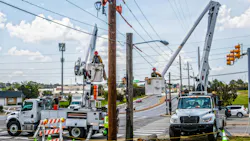
Electric utilities must plan for and operate the grid amid escalating threats from extreme weather, wildfires and other disruptions. To solve these challenges head-on, utility executives and operators are joining forces with technology providers. state and regulatory commissioners, investors, consultants, nonprofit organizations and government leaders, including public safety agencies. Together, they are exchanging practical strategies, strengthening partnerships, and helping define the next generation of grid resilience.
For example, over the last year, decision-makers have come together at action-oriented forums to test assumptions, compare practical approaches and define next steps for regulators and utilities. With several utility commissioners in attendance and participating in panel discussions, they reinforced the role of state commissions in ensuring communities can rely on essential services — electricity, gas, water and telecommunications —when they matter most. These services protect public safety, support economic activity and sustain households, businesses, public agencies and critical infrastructure workers.
As disasters become more frequent, costly and interconnected, commissions must look beyond traditional reliability metrics and assess whether utilities can maintain service under severe conditions. Emergency management principles offer a practical framework for evaluating utility readiness, protecting essential staff and strengthening community resilience.
Responding to Winter Storm Fern
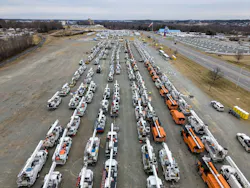
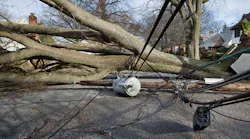
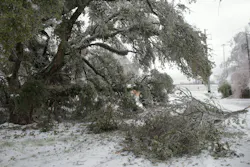
Winter Storm Fern was projected to affect up to 230 million Americans as it moved from the Southwest to the Mid-Atlantic and into New England. By January 27, 2026, the storm had already produced more than 800,000 power outages, more than three dozen deaths — including several reportedly linked to hypothermia — and emergency declarations in 24 states.
Severe ice accumulation raised the likelihood of multi-day restoration efforts, underscoring a central reality for regulators and utilities: resilience is not measured only by infrastructure performance, but by whether essential services can be sustained when communities and responders are under simultaneous strain.
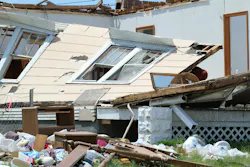
Winter Storm Fern made the need for an emergency management framework unmistakable. Widespread outages, transportation disruptions and life-safety risks affected not only customers, but also the utility workers responsible for restoring service.
Many employees were expected to respond to system failures while facing damaged homes, blocked roads, school closures and vulnerable family members of their own. Utility personnel are both responders and disaster survivors, and utilities must plan accordingly if they expect to restore service safely, quickly and effectively.
Phases of Response Activities

Reducing Risk, Improving Resilience and Advancing the Community Concept
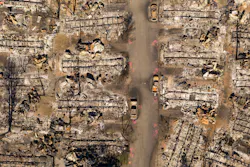
Growing risks posed by climate change, hurricanes, floods, severe weather, public safety power shutoffs and wildfires require more than infrastructure investment alone; they require a disciplined emergency management capability at the center of utility resilience.
Emergency management departments give utilities the structure needed to coordinate decisions, resources, communications and partnerships across internal teams, public agencies, private-sector partners and community stakeholders before, during and after disasters. Their role is critical for all-hazards threats, including cyberattacks, civil disturbance, domestic terrorism, public health emergencies and severe weather events. These can simultaneously disrupt grid operations, endanger first responders and utility workers, affect customers and slow community recovery.
Elevating emergency management from a supporting function to a core resilience strategy would help ensure that utility investments translate into real-world protection for the whole community when essential services are under stress.
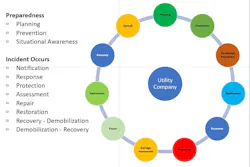
By applying the five phases of emergency management — prevention, mitigation, preparedness, response and recovery — commissions can evaluate utility readiness in a more coordinated, consistent and actionable way. This approach benefits all stakeholders by positioning emergency management as a central partner in leadership decisions, helping ensure that utility plans, investments, staffing models and partnerships are aligned with the scale, speed and complexity of today’s risks.
Understanding the Impact
As hazards intensify and interdependencies deepen, state commissions must be able to evaluate whether utilities are not just reactive but proactively prepared across all five emergency management phases. Understanding these phases helps regulators assess whether utilities:
- Prevent what they can
- Mitigate what they cannot prevent
- Prepare for what they cannot mitigate
- Respond effectively under real‑world staffing constraints
- Recover in ways that strengthen future resilience
By adopting an emergency-management-centered approach, commissions can advance the Whole Community concept by ensuring utilities plan, train and prepare for everyone affected by disasters — customers, critical staff, public agencies, businesses, vulnerable populations and communities that depend on lifeline services.
Standardized, NIMS-compliant preparedness strengthens service continuity, supports utility workers and helps utilities protect the full community they serve during and after major disasters.