Citizens Electric Corporation's Strategic Transformation for a Resilient Future
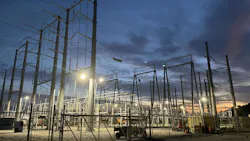
As the utility landscape continues to evolve nationwide, Citizens Electric Corporation (CEC) is undergoing a major transformation. The not-for-profit corporation, which operates as an electric cooperative, owns most transmission assets within its service territory and provides the largest power load of any cooperative in Missouri.
Incorporated nearly 80 years ago, the Perryville, Missouri-based cooperative is investing in infrastructure hardening, acquiring new assets, building new lines and preparing to meet the electrical demands of the future for its more than 28,000 members in six counties.
“In conversations with community groups, industry partners, and local leaders, I often describe CEC’s transition as similar to laying out all the components of a utility on the table and rebuilding it from the ground up,” said Jason Cates, CEO of CEC. “This deliberate, thoughtful approach is allowing us to reshape how we manage generation, transmission and distribution — ultimately enabling us to provide the highest level of service and value to the members we proudly serve.”
CEC operates 2,866 miles of distribution lines and 258 miles of overhead transmission lines, manages 174 miles of underground distribution, and maintains 49 substations. The cooperative serves six counties in rural Missouri including 24,997 residential members and 2,708 commercial and industrial members. The following are six strategies the cooperative is using to pave a new future of electricity for its members.
#1 Brace for severe weather. CEC experiences the same challenging weather patterns as other utilities across the Heartland. Winter brings severe cold, heavy snow and significant ice accumulation, and severe storms roll into the cooperative’s service territory in the spring and summer.
CEC’s service territory stretches along the Mississippi River, where wet seasons can trigger major flooding, as was the case in the historic and catastrophic flood of 1993.
"For CEC, weather remains the most significant challenge to system reliability, and extreme conditions continually test the grid,” said Vice President of Operations Curt Iffert. “These pressures underscore the critical need for ongoing infrastructure investment — upgrades that not only strengthen day-to-day reliability but also build the flexibility, durability and resilience required to withstand increasingly volatile weather patterns.”
For example, in January 2025, Winter Storms Blair and Cora swept through the region. At the height of the restoration effort, more than 200 lineworkers were deployed across the system for nearly two weeks to restore power to members. Throughout the year, all four seasons present the ongoing threat of tornadoes. In recent years, the area has experienced several powerful storms, including EF3 and EF4 tornadoes.

#2 Construct new transmission lines. CEC currently has several transmission projects underway and future projects in planning stages. These projects are designed to strengthen system reliability and support long-term regional growth.
They range from strategic rebuilds of existing infrastructure to greenfield projects, which aim to enhance grid redundancy and improve power flow across the system. For example, the Salem Bulk to Valley View transmission project includes the construction of a new 21-mile, 69 kV transmission line connecting the Salem Bulk substation located east of Farmington to the Valley View substation located north of Bloomsdale, Missouri.
#3 Forge a partnership with a neighboring utility. While CEC is developing some of these projects, others are being coordinated with neighboring utilities such as Ameren. The CEC and Ameren systems are strongly interconnected, and as such, it’s a natural fit for both utilities to collaborate on projects that benefit the region.
CEC collaborated with Ameren on the Limestone Ridge transmission project. The scope of work involved several 138 kV and 161 kV substation and transmission line facilities and the rebuild of a CEC-owned Mississippi River crossing.
The second project, called Grand Tower Crossing Project, involves a new Ameren-owned Mississippi River crossing and a secondary transmission project being solely developed by CEC. Line crews are constructing a 22-mile 138 kV line from the Wittenberg substation to the city of Perryville, Missouri, for the new 138 kV/69 kV Sycamore substation. This project will support more than 300,000 homes in the bi-state region.
“Adding a second transmission feed will provide redundancy to three substations currently fed by a single line, increasing reliability and supporting future growth,” said Vice President of Engineering Randall Lewis. “The project’s intention is to locate the newly proposed line adjacent to an existing line. “The goal is to have this new line in service and provide benefits to the local community by the end of 2028.”
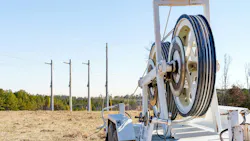
#4 Build your system to last. CEC incorporates robust engineering features throughout its transmission line designs, including the use of full-strength, self-supporting dead-end structures capable of withstanding the entire line’s tension in the event of a conductor break. These non-guyed structures provide greater stability, reduce the right-of-way footprint and significantly improve system resilience during extreme weather events. Across these projects, CEC is primarily installing modern steel monopoles and H-frame structures.
“The steel monopoles offer a clean profile and superior resilience when compared to legacy wood structures,” Lewis said. “CEC has a long-standing history of using steel monopole construction dating back to the late 1980s.”
To complement these structural enhancements, CEC employs an advanced SCADA platform that provides real-time visibility across the system. Modern electronic relays with integrated fault location technology assist CEC in pinpointing disturbances, shorten outage durations and dispatch crews more efficiently.
As CEC works with its partners on new transmission lines, the cooperative must also conduct the necessary environmental studies and coordinate with regulatory agencies. For example, CEC participates in an Environmental Review to determine what type of impacts the project will have on biological resources, cultural and historic resources and wetlands/waterways. In the route selection process alone, CEC uses more than 35 different selection criteria including estimated tree clearing, proximity to sinkholes and impacted wetlands. During construction, CEC uses a third-party contractor to conduct weekly inspections of the site checking for site management, waste removal, preventative maintenance for rainfall and run-off into any waterways.
#5 Acquire transmission assets. CEC has a long history of owning and operating transmission infrastructure. Several years ago, CEC sold its transmission assets to its generation and transmission provider as part of a broader regional development strategy. Throughout that period, CEC continued to operate and maintain the facilities and supported the G&T in building new transmission projects.
In 2025, as part of its planned transition away from the G&T, CEC reacquired those transmission assets. This shift required CEC to reregister as a NERC entity in the SERC region — assuming responsibilities as a Distribution Provider, Transmission Owner and Transmission Planner. CEC also began the process of becoming a MISO Transmission Owner, further solidifying its role in regional grid planning and reliability.
“Launching a full NERC compliance program while simultaneously establishing itself as a MISO Transmission Owner proved to be an enormous undertaking for CEC,” Cates said. “Managing both complex transitions at once required intense coordination, technical expertise and a company-wide commitment given our rather short timeline.”
Because CEC had long been responsible for operating and maintaining the assets, the cooperative entered the acquisition process with a clear, experience-based understanding of their condition and performance. Just as critical, however, was the comprehensive transfer of documentation — design files, engineering drawings, purchase orders, easements, and all related agreements.
“Ensuring the accuracy and completeness of this handoff required close coordination between both parties and a disciplined approach to information management,” Cates said. “Equally important was the support we received from seasoned industry experts, consultants and other specialized partners. Their guidance proved invaluable as we navigated the complexities of NERC registration and worked through the detailed steps necessary to secure approval as a MISO Transmission Owner.”
In parallel, CEC dedicated significant effort to developing the financial strategy behind the acquisition. Working closely with its lenders and auditors, the cooperative ensured that every requirement was met while crafting a sound and sustainable financing approach.
“Through collaboration with external advisors, we built an exceptionally robust and sophisticated financial model from the ground up—an essential tool in evaluating the transaction and securing the long-term viability of the project,” Cates said. “It has been very satisfying watching the financial model develop over the last two years.”
#6 Secure your own self-procured power supply. In 2024, CEC found itself in a rare and challenging position after making the strategic decision to exit its G&T relationship. What followed was an intense, highly coordinated effort.
Within just five months — and through close collaboration with MISO and other transmission owners in its regional transmission zone — CEC achieved two major milestones: becoming a MISO Transmission Owner and registering as a NERC entity in January 2025.
But the work didn’t stop there. Throughout the middle of 2025, CEC undertook the additional steps required to register as a MISO Market Participant. This move opened the door for the cooperative to begin shaping its own diversified power supply portfolio.
“This was an essential step toward gaining greater influence over wholesale power costs on behalf of the 28,000 members we serve,” Cates said. “The magnitude of this undertaking truly cannot be overstated.”
CEC’s board of directors played a pivotal role in this transformation. Through extensive strategic planning, they provided the leadership and support needed for management to build a comprehensive and disciplined workplan. Since then, the team has been executing that plan methodically, “checking off boxes” as it moves closer to its long-term goal of exerting full authority over the decisions that affect its members’ power supply costs and infrastructure investments.
Ultimately, the benefits of self-procured power supply are both practical and strategic. It provides greater cost transparency, increased flexibility in resource selection and the opportunity to align power supply decisions more closely with member priorities.
“For utilities considering a similar path, our advice is simple: invest in thorough planning, build strong partnerships with industry experts and prepare for a significant but rewarding commitment,” Cates said. “With the right framework and support, the outcome is a level of local control and long-term value that directly benefits the communities you serve.”
Focusing on Logistics: Three Key Steps to Support the Transition at CEC
-
Hire the right people. One significant, but often overlooked, aspect of a transition of this magnitude is the internal logistics required to grow, develop, and recruit the right in-house talent. Over the past year, CEC has experienced purposeful expansion, adding key positions in transmission planning, NERC compliance and power supply development, which are areas essential to supporting the new responsibilities. “It marks a level of organizational growth we haven’t seen in decades,” said Jason Cates, CEO of CEC. “While we continue to utilize outside expertise where it is cost-effective, certain highly specialized roles simply need to reside within the utility to ensure long-term stability and operational excellence.”
-
Communicate with the membership. The electric utility industry is inherently complex, and guiding CEC through such a significant transformation requires consistent transparency and continuous education. CEC has made it a priority to keep its members informed, sharing not only what actions it is taking but why those actions matter. “This commitment to open dialogue has been essential in building trust, strengthening relationships, and ensuring that our membership remains fully informed and aligned with our direction,” added Vice President of Operations Curt Iffert.
-
Engage with the employees. In addition to member communication, CEC has also spent considerable time engaging directly with its employees. Over the past two years, CEC has had many discussions within the organization to help the team understand the scope and significance of the changes ahead. “Initially, many employees were surprised and uncertain — they didn’t yet grasp the complexities of the industry or the scale of the transition we were undertaking,” Cates said. “We made a conscious effort to bring them along, helping them see the strategic direction and how their individual roles fit into the larger vision.”
About the Author
Amy Fischbach
Electric Utilities Operations
Amy Fischbach is the Head of Content for T&D World magazine and manages the Electric Utility Operations section. She is the host of the Line Life Podcast, which celebrates the grit, courage and inspirational teamwork of the line trade. She also works on the annual Lineworker Supplement and the Vegetation Management Supplement as well as the Lineman Life and Lineman's Rodeo News enewsletters. Amy also covers events such as the Trees & Utilities conference and the International Lineman's Rodeo. She is the past president of the ASBPE Educational Foundation and ASBPE and earned her bachelor's and master's degrees in journalism from Kansas State University. She can be reached at [email protected].