Palo Alto’s Foothills Go Underground
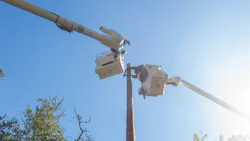
The City of Palo Alto Utilities (CPAU) in California is nearing the finish line on a multiyear effort to underground its electric distribution and communications infrastructure in the city’s high fire threat zone, cutting wildfire ignition risk while boosting reliability and communications for a high elevation, treelined service area. As CPAU celebrated the 125th anniversary of its electric utility last year, this utilities undergrounding project became a focal point for highlighting how a century-old public power system can still innovate to address emerging climate and wildfire threats.
From Overhead Exposure to Underground Resilience
In 2021, CPAU launched a major infrastructure program to move overhead utility lines underground in its state-designated high fire threat district, known locally as the Foothills. The project falls under Palo Alto’s Utility Wildfire Mitigation Plan and focuses on neighborhoods most exposed to wind driven fires caused by overhead conductors and wood pole lines.
By relocating electric distribution and utility owned fiber underground, the utility is dramatically reducing the likelihood that its equipment will spark wildfires during extreme wind or heat events, while also hardening the system against tree contacts and storm outages. “The Foothills face some of the greatest wildfire risks in our community,” said Utilities Director Alan Kurotori. “This undergrounding effort will not only make our system safer but also improve service reliability for customers in this vulnerable area.”
The Foothills project represents a classic transmission and distribution (T&D) challenge: serving a small, dispersed customer base in rugged terrain that is beautiful, heavily vegetated, and increasingly fire prone. As of the end of 2025, about 90% of the undergrounding was complete, with full completion targeted for Summer of 2026, illustrating how a relatively modest urban utility can execute a focused, risk-based wildfire strategy on a defined timeline.
Technical Scope and Project Execution
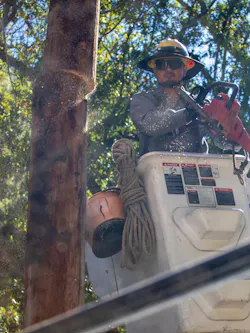
The engineering scope in the Foothills is substantial relative to the size of the customer base it serves. In total, CPAU is undergrounding roughly nine miles (about 49,200 feet) of electric overhead distribution lines and associated utility-owned fiber optic cable in the Foothills. These lines serve approximately 300 residents, highlighting a deliberate choice to prioritize risk reduction and resilience over simple cost per customer metrics.
Key elements of the project include:
- Undergrounding approximately nine miles of overhead electric distribution and utility owned fiber.
- Substructure construction, including conduits, vaults and pad mounted equipment to support both electric and fiber networks.
- Installation of new underground high-voltage circuits and replacement fiber optic cable to maintain and enhance connectivity.
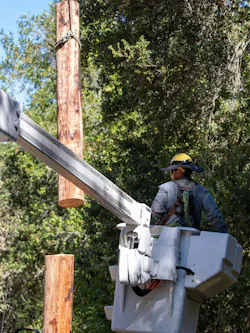
- Removal of overhead wooden poles, high-voltage conductors, legacy fiber and other pole mounted devices once cutover is complete.
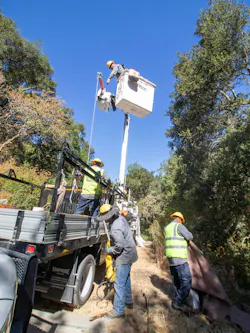
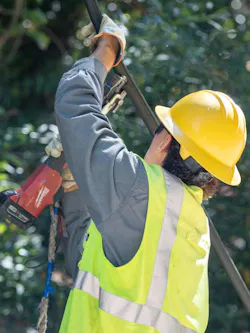
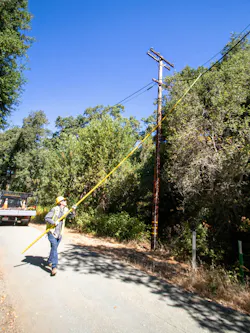
Initial scoping and planning began in 2021, with a total project budget of approximately 11 million dollars. Despite pandemic era supply chain and inflationary pressures, the utility kept the program largely on schedule by sequencing construction around long lead-time equipment and returning to complete segments once critical components were available. As of late 2025, overhead electric and fiber lines in the project zone had been removed, with crews focused on pulling remaining poles and finishing underground substructures ahead of the June 2026 completion target.
The project has also been validated by an independent audit from Baker Tilly, which cited undergrounding as a key wildfire strategy because buried lines are less likely to be damaged by trees or high winds and spark a utility caused wildfire. This external assessment underscores a growing industry consensus in California that, in high-risk corridors, selective undergrounding is among the most effective long-term mitigations, despite higher upfront capital costs.
Wildfire Mitigation Plan and Regulatory Recognition
The undergrounding program is one pillar of CPAU’s broader Wildfire Mitigation Plan, which sets out safety protocols, emergency preparedness measures, response procedures and public outreach tailored to the Foothill’s unique risk profile.
“Undergrounding utilities in the Foothills has been a priority for us to mitigate against the risk of wildfire caused by electrical equipment,” Kurotori said, linking the capital project to a larger risk management framework. “By taking steps now to underground lines in high-risk zones, we’re protecting residents, homes, and open spaces for decades to come.”
State level reviewers have taken notice. The California Wildfire Safety Advisory Board, which oversees wildfire mitigation plans for all electric utilities in the state, commended CPAU for substantially reducing wildfire risk by undergrounding overhead lines in its high fire threat district. The board also highlighted the utility’s use of an innovative AI based sensor network that monitors air quality, temperature, and chemical markers to support early detection and wildfire alerts — technology it noted is still uncommon among both public power entities and investor-owned utilities.
This combination of structural risk reduction through undergrounding and enhanced situational awareness via sensors provides a layered defense that many T&D planners across the West are now striving to replicate.
AI, Fiber and the Future of Grid Awareness
For utility engineers and operations leaders, one of the more forward-looking aspects of the Foothills project is how it integrates communications upgrades alongside traditional line work. As part of the conversion, CPAU is installing new fiber for communications links to fire stations and other critical facilities in the area.
“We’re also providing fiber to create more robust communications to the fire stations,” Kurotori said, “and we can put better sensors out there to further enhance our communication and coordination for emergency operations and response.”
The AI based sensor network that earned praise from the Wildfire Safety Advisory Board relies on this communications backbone to stream real-time data on air quality, temperature and certain chemical signatures that can indicate smoke or combustion products. While details of the underlying algorithms are proprietary, the system effectively extends the utility’s situational awareness beyond the substation fence into the wildland urban interface — allowing earlier alerts, better coordination with fire agencies, and more informed decisions about potential deenergization or other protective actions.
Public Power, PSPS and Community Engagement
Because CPAU is a municipal utility, it has leveraged its direct relationship with customers to manage wildfire risk in ways that go beyond infrastructure. Prior to launching the undergrounding project, the utility established a regular cadence of communication with Foothills customers about the potential for Public Safety Power Shutoffs (PSPS) during periods of elevated wildfire danger, explaining when and why power might be proactively cut to reduce ignition risk.
These early conversations helped build trust and set expectations, laying a foundation for acceptance of both PSPS events and the construction disruptions associated with undergrounding. CPAU’s messaging covers what customers can expect from the city in terms of wildfire prevention measures, safety inspections, early warning notifications, emergency response and power restoration, as well as clear guidance on how residents can prepare themselves and their properties for wildfire season. Importantly, while the likelihood of future PSPS events in the Foothills has dropped significantly due to undergrounding, the utility plans to continue direct outreach about both PSPS and wildfire preparedness, reinforcing that resilience is an ongoing partnership between the utility and customers.
Close Calls, Climate Pressure and a Scalable Model
The urgency behind Palo Alto’s wildfire strategy is grounded in recent experience. In 2020, the CZU Lightning Complex fires burned tens of thousands of acres in nearby San Mateo and Santa Cruz counties and came close to the Palo Alto Foothills, with shifting winds preventing a much more direct impact. More recently, the Edgewood Fire in 2025 burned about ten acres in Woodside, just north of Palo Alto, and fire officials later said they were fortunate the incident was not far more destructive.
These near misses, layered on top of the broader trends of climate change, prolonged drought and growing development in the wildland urban interface, led the city to declare wildfire mitigation a major municipal priority for 2025 as part of a wider public safety agenda. For other utilities facing similar conditions, CPAU’s experience offers several practical takeaways:
- Targeted undergrounding can be justified even for relatively small customer counts when risk, exposure and potential consequences are high.
- Pairing undergrounding with communications and sensor upgrades multiplies the resilience and operational benefits of each construction dollar.
- A clearly articulated Wildfire Mitigation Plan, aligned with state guidance and subject to external review, helps secure both local political support and positive regulatory feedback.
- Proactive, multi‑channel community engagement before, during and after construction builds trust and eases both PSPS operations and major field work in sensitive areas.
As undergrounding emerges as a central wildfire mitigation tool across California — backed by public polling and the experience of larger utilities — CPAU’s Foothills project stands out as a public power example of how to scale a focused, data driven program. In the summer of 2026, when the last pole comes down and the final vault is set, the Foothills will be served by a more resilient, sensor enabled network that reflects not only the changing climate around it but also the evolving expectations of the customers it serves.
About the Author
Catherine Elvert
Catherine Elvert ([email protected]) is the communications manager for the City of Palo Alto Utilities, overseeing public information, external affairs, and internal communications for the municipal utility including electric, fiber optics, natural gas, refuse, storm drain, wastewater, and water utility services.