AirData Reports Growth in Utility and Energy Sector Drone Programs Amid Expanding Industry Adoption
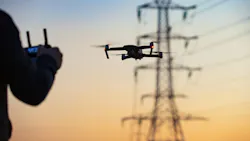
AirData UAV, a provider of drone fleet management software, reported that more than 120 energy and utility organizations worldwide are now using its platform, reflecting the continued growth of drone adoption across the utility, oil and gas, and critical infrastructure sectors.
The announcement comes as utilities and energy companies increasingly deploy drones for transmission line inspections, pipeline monitoring, emissions assessments, storm response, and other infrastructure-related applications. Industry analysts project continued growth in the drone inspection market, driven in part by rising demand for asset monitoring and maintenance across energy networks.
According to AirData, its platform supports organizations ranging from electric utilities to oil and gas operators and service providers. The company reported that more than 63 million drone flights have been logged through its system globally.
The expansion of utility drone programs coincides with evolving regulatory requirements. In August 2025, the Federal Aviation Administration (FAA) released a Notice of Proposed Rulemaking for Part 108, a framework intended to establish standardized requirements for beyond visual line of sight (BVLOS) drone operations. The proposal would replace the current waiver-based approach and could enable broader deployment of drones for infrastructure inspections and monitoring.
For utilities, BVLOS operations have the potential to improve the efficiency of long-distance inspections of transmission corridors and other dispersed assets. However, the approach also requires operators to maintain detailed operational, maintenance, and compliance records.
"These programs operate under strict regulatory requirements, manage complex multi-site fleets, and need documentation that holds up to scrutiny," said Eran Steiner, founder and CEO of AirData, in a statement. He noted that the company's software has been developed to support large-scale drone operations as regulatory frameworks continue to evolve.
Utility and energy companies have increasingly incorporated drones into routine asset management activities as they seek to improve worker safety, reduce inspection costs, and gain access to real-time data on critical infrastructure. Drones are also playing a growing role in post-storm damage assessments and emergency response efforts, allowing utilities to evaluate conditions more quickly following severe weather events.
Richard Turner, specialty services manager at CAN-USA, an offshore oil and gas drone services provider, said the technology has helped the organization track aircraft performance, battery condition, maintenance activities, and pilot operations while providing additional flight documentation capabilities.
As utilities continue to modernize inspection and asset management practices, drone technology is expected to remain an important tool for monitoring infrastructure and supporting grid reliability. Proposed regulatory changes such as FAA Part 108 could further accelerate adoption by enabling more routine BVLOS operations across utility service territories.