SRP Supports National Conservation Legacy Center as a Community Partner
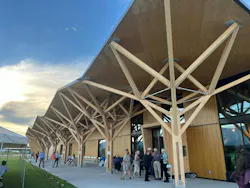
Salt River Project (SRP) is now part of the U.S. Forest Service conservation legacy as one of the first contributing partners to the National Conservation Legacy Center, which opened July 17 at the National Museum of Forest Service History in Missoula, Montana.
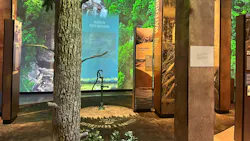
As the flagship facility of the National Museum of Forest Service History, the new Legacy Center features interactive, immersive exhibits that tell the story of conservation in the United States and the public lands that helped define the nation.
SRP’s exhibit at the Legacy Center will help visitors understand watersheds, why they are important to water supplies, communities and wildlife habitats and how forest restoration improves watershed health.
The exhibit also highlights SRP’s partnership with the U.S. Forest Service on restoration efforts, including thinning overgrown forests to reduce wildfire risk, protect communities and improve the resilience of water resources.
“We are honored to be part of this amazing facility that will educate visitors about the importance of conserving and maintaining our national forests,” said Leslie Meyers, SRP associate general manager and chief water resources executive. “SRP is committed to protecting the health of the 8.3 million acres of largely forested lands in northern and eastern Arizona that serve as critical watersheds for the Phoenix metro area.”
The water delivered to communities throughout central Arizona begins as rainfall and snowmelt in the Salt and Verde River and East Clear Creek watersheds. Protecting these forested watersheds through restoration efforts is critical to reducing wildfire risk and ensuring a resilient water supply.
SRP has committed to helping increase the pace and scale of forest restoration through partnerships, education and support for the forest products industry, with a goal of thinning 800,000 acres by 2035. SRP and its partners are on track to help secure more than $50 million to support on-the-ground forest restoration projects on more than 71,000 acres across the state by mid-2027.
In addition to its exhibits, the Legacy Center houses more than 55,000 Forest Service artifacts on a 31-acre campus and includes outdoor exhibits, interpretive trails and historic structures.