Conservation Initiatives and Biodiversity Gains in ROW
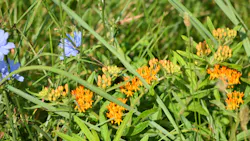
Integrating vegetation management in utility corridors with ecological stewardship requires a holistic approach that recognizes the interconnectedness of infrastructure and natural habitats.
By proactively addressing both operational and environmental priorities, organizations such as NYPA can create resilient utility corridors that support essential services while preserving ecological integrity. This strategy encourages leveraging innovative management techniques and collaborative partnerships to maximize positive outcomes for both utility operations and biodiversity.
Aligning UVM with ROW Requirements and Biodiversity Enhancement
NYPA has historically embraced Integrated Vegetation Management (IVM) approaches that align operational reliability with the preservation of natural resources. A comprehensive strategy designed to guide decision-making, foster innovation and facilitate cross-sector collaboration allows for improved outcomes.
The framework establishes a foundation for harmonizing utility corridor management with broad conservation goals, ensuring that infrastructure development and ecosystem health advance together.
Balancing infrastructure needs and environmental conservation often relies on:
- Safe, reliable and accessible ROWs for utility, transportation and other uses
- Enhancement initiatives allowing local and regional biodiversity programs within ROW corridors
- Promotion of sustainable, cost-effective vegetation management practices
Robust collaboration between interdisciplinary teams is essential to effectively balance infrastructure requirements with conservation priorities. Establishing transparent decision-making processes ensures that competing interests are addressed while maintaining a focus on long-term sustainability.
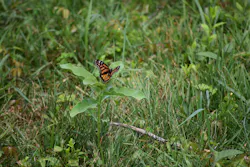
Regular review and adjustment of management strategies help to accommodate evolving ecological and utility needs. These are often best met after a comprehensive assessment of existing ROW conditions and ecological assets and developing clear, measurable targets for both utility performance and biodiversity gain.
Additionally, implementing adaptive management practices informed by ongoing monitoring and research will support the integration of emerging technologies for efficient data collection and analysis.
Vegetation Management Strategies
Effective vegetation management is grounded in a thorough understanding of site-specific ecological characteristics, allowing for tailored interventions that simultaneously support infrastructure safety and ecological resilience.
By considering seasonal growth patterns, soil composition and hydrological dynamics, management plans can be optimized to minimize disturbance while enhancing ecosystem services.
Collaboration with local experts and ongoing training for field personnel further ensure that best practices are consistently applied, fostering landscapes that are both functional and biodiverse.
These efforts provide a foundation for integrating selective clearing, targeted mowing and establishing native plant communities, which is detailed in the subsequent IVM approaches. This strengthens the alignment between operational objectives and conservation outcomes.
Effective IVM, however, requires a multifaceted strategy that balances ecological integrity with operational efficiency and a clear focus on resiliency. For example, selective clearing and targeted mowing regimes can be timed to avoid critical breeding seasons for local wildlife, while the use of native and pollinator-friendly plant species supports both ecosystem health and visual appeal.
In addition, controlling invasive species by promoting conservation of native plants and through early detection and rapid response helps preserve native biodiversity. The establishment of buffer zones and habitat connectivity measures ensures that managed areas contribute to broader utility-scale conservation goals that can be scalable as needed or implemented in mitigation post-construction.
Biodiversity Enhancement Initiatives also include:
- Creation of habitat patches (e.g., wildflower strips, shrub thickets)
- Installation of nesting sites and wildlife crossings
- Soil and water conservation practice
- Monitoring and adaptive management for positive biodiversity outcomes
Integrating native vegetation buffers with existing land uses can mitigate the impacts of habitat fragmentation and create continuous ecological networks. Regular assessments of buffer effectiveness should inform adaptive management, ensuring that these zones remain functional for both target species and broader ecosystem processes.
Compliance and Best Practices
The alignment with legal, regulatory and safety requirements for ROWs under IVM involves adopting industry standards and best management practices.
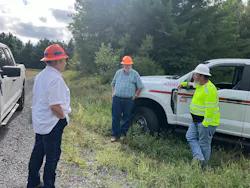
Contractor training and certification programs that assist in capacity building for field personnel are of the utmost importance. Establishing clear protocols for documenting compliance activities and maintaining up-to-date records is essential. Periodic audits and reviews should be conducted to ensure ongoing adherence to evolving regulations and industry best practices. These steps help to minimize legal risks and promote a culture of safety and environmental stewardship.
Adaptive Management
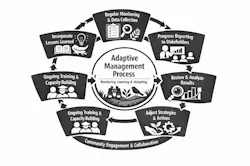
Monitoring and reporting are important in adaptive management for the establishment of measurable indicators for vegetation and biodiversity. These include:
- Regular monitoring and data collection
- Reporting progress to stakeholders and the public
- Incorporation of lessons learned and continuous improvement
To further strengthen adaptive management, it is essential to establish feedback loops in which monitoring insights are systematically reviewed and incorporated into future planning cycles. This iterative process allows timely adjustments to management actions, helping address unforeseen challenges and capitalize on emerging opportunities. Ongoing training for staff and stakeholders in monitoring techniques and data interpretation can also enhance program effectiveness by building capacity and ensuring consistency in evaluation efforts.
By combining scientific rigor with community participation, these programs not only enhance data collection but also promote environmental stewardship and knowledge sharing among diverse groups. This collaborative approach encourages local ownership and fosters a sense of shared responsibility for the health of ROW ecosystems, ultimately leading to more sustainable and resilient conservation outcomes.
About the Author
Lewis Payne
Lewis Payne is the manager ROW/environmental at New York Power Authority (NYPA).
Anand B. Persad
Anand Persad is the founder and director of research with Tetra Energy Sciences Research and Consulting.