National Grid Constructing New 400 kV Substation at Wallend on the Isle of Grain, Kent
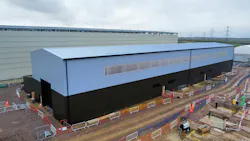
National Grid is constructing a new 400 kV substation at Wallend on the Isle of Grain, Kent, to enhance the resilience, flexibility and capacity of the UK electricity network.
The company has completed developing the building hall, which includes the gas-insulated switchgear (GIS). The substation will play a key role in supporting the transition to cleaner, more secure energy.
The next phase of the major infrastructure project will focus on the installation and testing of the GIS and associated electrical equipment before the substation connects to the electricity network. The substation will facilitate the connection of NeuConnect, a new 1.4 GW HVDC interconnector that will link the UK and Germany energy markets for the first time, once operational.
The substation, located alongside Grain LNG and the BritNed Interconnector, will further reinforce the Isle of Grain’s position as one of the UK’s most important energy hubs. The new infrastructure will improve grid stability, enhance system flexibility and support the UK Government’s Clean Power 2030 ambitions.
National Grid worked alongside Principal Contractor Balfour Beatty, who led the design and build of the new substation.
The next phase will see the installation of EconiQ GIS technology from Hitachi Energy, which is free from sulphur hexafluoride (SF₆), a potent greenhouse gas. This will help National Grid reduce SF₆ emissions by 50% by 2030. Factory acceptance testing for the GIS has been completed, enabling installation to commence.
The completed cladding will offer effective weather protection and insulation in readiness for the installation of the substation’s electrical systems, while also helping to reduce operational noise once the site is energized.
Local community organizations will be allowed to apply to National Grid’s Community Grant Program (CGP), which is designed to support projects in areas directly affected by the construction of Wallend Substation. Grants of up to $26,580 will be made available for initiatives delivering clear social, economic or environmental benefits.
The program supports projects focused on inclusion, education, health and wellbeing, employability, conservation and energy efficiency, helping to ensure a positive and lasting legacy alongside the delivery of nationally significant infrastructure.