Strategies for Budgeting Substation Security
Key Highlights
- Flexible budgeting strategies such as phased installations and infrastructure-first planning enable utilities to adapt to evolving security needs without overspending.
- Risk-based prioritization ensures resources are focused on the most critical vulnerabilities, maximizing the effectiveness of security measures.
- Digital transformation tools like real-time analytics and AI enhance vulnerability detection, assessment accuracy, and response times.
- Cross-departmental collaboration and industry partnerships foster innovation, knowledge sharing, and resource pooling for stronger security defenses.
- Active involvement of subject matter experts is essential to maximize the benefits of technological solutions and develop holistic security strategies.
Substations are vital to the power grid, ensuring electricity reaches homes, businesses and essential services. However, they are facing constantly evolving threats ranging from cyberattacks to physical attacks. As these risks grow in sophistication and frequency, securing substations becomes more critical than ever.
For utility budgeters, the challenge lies in integrating advanced security technologies within existing financial constraints. To navigate this complex landscape, substation owners and operators must adopt strategic budgeting approaches that prioritize innovation while maintaining fiscal responsibility.
Current Challenges
The traditional budgetary cycle in utilities often spans several years, requiring long-term planning that can inadvertently hinder the adoption of cutting-edge security technologies. While this foresight is intended to align funding with strategic priorities, it presents significant challenges in an industry where technological advancements occur at a rapid pace.
One major limitation is the risk of obsolescence. Technologies identified and earmarked for investment during initial planning stages may no longer represent the most effective solutions by the time they are implemented. This gap between planning and execution leaves utilities vulnerable, as older technologies might not suffice against increasingly sophisticated threats.
Rigid operational and maintenance budgets exacerbate this issue. These budgets are typically inflexible, making it difficult to allocate funds for unexpected upgrades or innovations unless emergency or urgent circumstances arise. In such cases, resources must be reallocated swiftly — often at the expense of other critical projects — to address immediate vulnerabilities.
Moreover, the financial ecosystem within which utilities operate requires meticulous alignment with regulatory requirements and fiscal constraints. This dynamic creates a delicate balancing act: ensuring robust protection while navigating preplanned budgeting cycles that may not accommodate emerging needs or adjustments prompted by new threat landscapes.
To mitigate these challenges, utilities must explore more flexible budgeting strategies that allow for timely integration of forward-thinking solutions without sacrificing fiscal responsibility. By adopting agile approaches and fostering cross-departmental collaboration during budget planning processes, utilities can better anticipate technological shifts and ensure their security measures remain effective against evolving threats.
Flexible Budgeting Approaches
The following approaches can help utilities to navigate financial constraints without compromising on timely solutions.
Phased installations: Breaking down security upgrades into phases enables utilities to manage costs over time. By prioritizing immediate needs and gradually implementing additional measures as funding becomes available, utilities can deploy critical protections without overwhelming budgets.
Infrastructure-first strategy: Laying essential conduits and raceways during initial construction phases prepares substations for future technology integration. This method minimizes disruptions and offers a cost-effective foundation for substation security enhancements farther down the line.
Collaborative planning: Engaging cross-departmental teams during budget planning cycles fosters a unified approach to security challenges. Utilities can optimize resource use and enhance overall resilience by sharing insights and aligning financial allocations with strategic goals. Additionally, establishing a security-focused culture that is supported by all levels within an organization is essential to the successful implementation of robust protective strategies.
By adopting phased installations, prioritizing infrastructure-first planning and fostering collaboration, utilities can more effectively facilitate the timely implementation of advanced substation security solutions.
Risk-Based Prioritization
It is not always possible to mitigate every vulnerability within the available budget. Focusing on realistic risks through detailed analyses allows protective measures to align with the most pressing vulnerabilities unique to each facility.
Granular evaluations considering geographic factors, historical data and infrastructure specifics enable targeted interventions where they are needed most. This precision not only maximizes the effectiveness of enhancements but also prevents wasting resources on unnecessary or ineffective solutions.
However, traditional security assessment methodologies can be subjective and miss crucial vulnerabilities, leaving many utilities searching for more comprehensive data-backed assessment strategies.
Embracing Digital Transformation
The digital transformation is revealing many powerful new tools for enhancing substation security, particularly in the realm of security assessments. These tools leverage emerging technologies to identify and mitigate vulnerabilities more quickly, efficiently and comprehensively than ever before. Following are some notable driving technologies in the security sector:
Real-time analytics: Digitized reports enable continuous system updates through live data feeds, offering accurate snapshots of current conditions within a substation. This immediacy allows swift identification of vulnerabilities or anomalies requiring attention.
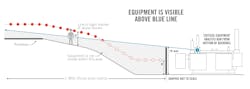
- Advanced modeling: Digital models can provide dynamic visualizations that illustrate complex scenarios and line of sight clearly, facilitating informed decision-making processes among stakeholders regarding any potential impacts on operations or finances. Combined with real-time analytics, these advanced models can facilitate real-time assessment and mitigation testing, enabling teams to virtually test proposed solutions and make strategic decisions long before construction begins on a project.
- Artificial intelligence: AI also has the potential to enhance real-time data analytics, improve threat detection and response times, optimize resource allocation through predictive modeling and facilitate more accurate risk assessments.
By leveraging these types of technologies, utilities can enhance the precision and efficiency of vulnerability assessments, ultimately improving protection strategies and often minimizing costs.
However, according to experts like Jason Pfaff, chief innovation officer at POWER Engineers Inc., member of WSP, “Technology alone is not a solution. Without active expert involvement, its impact is limited. To make meaningful progress, we must leverage the expertise of subject matter experts and use the technology not just as an add-on but as part of a holistic strategy.”

Collaborative Industry Practices
Collaboration among utilities also has proven to be a powerful tool for enhancing substation security. By sharing insights, strategies and emerging technologies, utilities can collectively strengthen their defenses against sophisticated attacks.
Industry forums and working groups provide invaluable platforms for utilities to exchange knowledge and experiences. These collaborations foster innovation by exposing utilities to diverse perspectives on security challenges and solutions. Engaging with peers allows utilities to learn from successful implementations elsewhere, identifying what works effectively and why.
Additionally, collaborative efforts extend beyond sharing ideas; they involve joint initiatives such as emergency equipment-sharing programs that facilitate rapid recovery in case of critical component failures. Such alliances offer access to resources that might otherwise be unavailable individually, bolstering resilience across the sector.
By leveraging collective expertise through collaboration, utilities can refine their approaches based on proven methods while avoiding potential pitfalls encountered by others.

Moving Forward
Utility budgeters play a pivotal role in driving innovation in substation security efforts. By adopting flexible strategies, focusing on risk-based prioritization and embracing digital transformation, they can position their organizations to stay ahead of evolving threats and achieve robust and reliable power delivery systems.
Through commitment to continuous progress and collaboration, industry leaders and experts alike can safeguard infrastructure and create a more secure future for generations to come.
About the Author
Chris Ott
Chris Ott is a senior physical substation security expert at POWER Engineers. Chris spent over 15 years in the security business. His experience as a Marine Corps veteran gave him personal experience in armed/armored transport, executive protection, electronic security, field engineering, security contract management and project management. CIP014-3 has been a large focus of Chris’s work from the aspect of threat analysis and risk mitigation in the utility sector. He also has experience as a corporate security engineer for Portland General Electric and as a designer of anti-theft measures at Convergint Technologies. He studied for his BAS in electronics at the University of Oregon.