From supply to resilience: A renewed approach to Canada’s energy security
Key Highlights
- A comprehensive, national approach to emerging energy security challenges
- How can Canada respond to emerging energy security challenges
- How resilient infrastructure, better coordination, and standards can strengthen Canada's energy future
- The role of standards in strengthening energy security
- Embracing a comprehensive, national approach to energy security


An abundance of natural resources positions Canada among the top global energy producers. Energy is also a major economic driver, generating almost 10% of Canada’s GDP and one-third of all goods exports1. While these statistics may suggest Canada's energy strength, energy availability is only one pillar of an increasingly complex energy security ecosystem. Addressing rising energy demand, aging infrastructure, supply chain disruptions, and increasing climate risks requires strengthening the reliability and resilience of our energy systems. For utilities, grid operators, governments, and industry, energy security has become as much about system performance as it is about energy production.
Is Canada ready for this challenge?
Energy security in today’s world
Energy security has wide-reaching implications. A secure energy system generates wealth, prosperity, and safety for Canadians and our global allies. When under threat, it can undermine public safety, economic growth, and societal well-being.
A comprehensive approach to energy security begins with an understanding of what energy security encompasses in a rapidly evolving energy and geopolitical landscape. Today’s approach to energy security must consider the full spectrum of energy sources and the entire energy value chain, from production, transmission, and distribution to storage and end use. As such, it can be best described through three pillars:
- Energy availability, representing a sufficient supply of energy
- Energy reliability, meaning that energy can be delivered when and where it is needed
- Energy resilience, the ability of energy systems to withstand and recover from disruptions
However, these pillars do not exist in a vacuum—they are inherently connected to global markets and geopolitics that shape energy security more than ever before.
Emerging challenges for energy security
As the energy security landscape evolves, it brings new challenges and opportunities. Many of them have not been traditionally considered part of energy security.
Policy and governance approaches to energy security now need to navigate:
- Trade and economic volatility, from tariffs on steel and aluminum that increase the price tag of energy infrastructure projects to global energy price fluctuations that can significantly affect the domestic economy.
- Geopolitics can have unexpected impacts on energy markets and domestic production due to integrated supply chains and economic interdependence.
- Extreme weather and natural disasters can disrupt energy production, delivery, and storage. This impacts production, including renewable energy sources—prolonged droughts can reduce the productivity of hydroelectric dams, while hail and ice can damage wind turbines and solar panels—and transmission infrastructure.
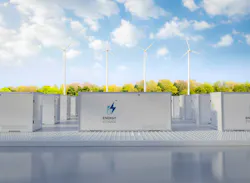
- New technologies can support energy security in many ways. Distributed energy resources, battery energy storage technologies, hydrogen fuel cells, and small modular reactors can make energy systems more resilient, flexible, and reliable. However, careful planning and effective safeguards are needed to address challenges such as cybersecurity risks related to digital technologies, as well as increased dependence on critical minerals in modern energy storage.
- Rapid growth in energy demand driven in part by the adoption of technologies, such as electric vehicles and artificial intelligence, may strain grids and energy infrastructure, reducing energy availability. To complicate matters, the energy needs of these technologies are difficult to forecast because their uptake rates are often unclear.
- Infrastructure planning cannot be divorced from energy security, as reliability and resilience require regular maintenance, upgrades, and expansions of energy infrastructure and telecommunications systems. Infrastructure gaps are especially acute in Indigenous and Northern communities that are not connected to major energy systems and mostly rely on diesel generators.
- Labour and skills shortages are becoming critical as Canada’s workforce ages. This is a reality not only in the energy sector but also in critical supporting sectors such as transportation, construction, and cybersecurity. As energy technologies evolve, the ability to rapidly train or upskill workers will also be crucial to maintaining energy security.
Better coordination and alignment are essential
With such complex, multi-layered challenges, Canada cannot take its energy security for granted. Rethinking the approach to energy security will require better coordination and alignment across governments, jurisdictions, and sectors.
Currently, energy security in Canada is a responsibility shared across numerous government departments. This can contribute to inefficiencies, competing objectives, and slower decision-making. Developing a national definition of energy security, a federal energy security policy, and establishing an interdepartmental committee to enable energy security collaboration can help provide the clarity, focus, and alignment needed to achieve shared objectives.
At the same time, Canada’s division of power and other constitutional obligations, including Indigenous rights and interests, can make energy security planning more complex. Integrating provincial electricity grid plans into a national plan, strengthening alignment on regulations for emerging technologies, and developing region- and resource-specific committees to address energy security gaps can help better align efforts across Canadian jurisdictions.
A comprehensive, national approach to energy security should also address Canada’s fragmented energy market. With differences in energy systems and policies among provinces and territories, there is less incentive for co-operation, and infrastructure development is less efficient. Strengthening interprovincial grid interties as well as infrastructure and technology interoperability can result in more collaborative regional initiatives supporting national interconnection.
Lastly, a focus on near-term energy availability can divert capital from long-term infrastructure planning, influencing future resilience and reliability needs. Developing multi-jurisdictional energy strategies that promote energy security in the deployment of emerging technologies and committing funding to support the adoption of new energy technologies can help reduce conflicts between short- and long-term planning.
Standards provide a shared foundation for energy security
As Canada’s energy systems evolve to meet the growing energy demand, standards are poised to play an important role in supporting their security and performance.
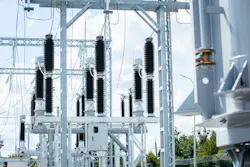
Standards can help enhance system reliability and safety across energy generation, transmission, distribution, and storage systems and facilitate the integration of new technologies. Developed through a consensus-based process by technical experts representing a wide range of perspectives, standards promote interoperability and common frameworks across jurisdictions, technologies, and supply chains.
Vital yet often behind the scenes, standards help enable the planning, construction, and operation of safe, reliable, and resilient energy infrastructure in Canada. As the country embraces a comprehensive, pan-Canadian approach to energy security, standards will play a key role in supporting its success
Read the report “A Renewed Approach to Energy Security in Canada” from the CSA Public Policy Centre to explore how standards can help support a more secure energy future for Canada.
[1] Source: Energy Fact Book, 2025-2026 Edition. (2025). Canadian Centre for Energy Information, Natural Resources Canada. https://energy-information.canada.ca/sites/default/files/2025-11/energy-fact-book-2025-2026.pdf