Consumers Energy to Expand Proactive Infrastructure Inspection Program by 150% to Secure Michigan's Electric Grid
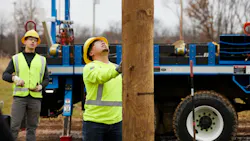
Consumers Energy is expanding its proactive infrastructure inspection program to secure Michigan's electric grid and deliver long-term cost savings for customers.
In 2025, the efforts to replace poles as part of a work plan as compared to an emergency repair saved customers $9.6 million. In 2026, Consumers Energy will expand its inspection program by 150%, with plans to inspect more than 125,000 poles projected to result in nearly $24 million in additional cost-savings.
The growth highlights the company's long-term goal to secure the grid through proactive, cost-efficient maintenance as compared to a high-cost emergency work.
In H2 2025, Consumers Energy inspected more than 50,000 utility poles, identifying 70 poles requiring immediate attention, 3,640 poles in need of near-term upgrades, and many preventative maintenance items to secure the grid. The early interventions also helped prevent costly emergency repairs and unplanned interruptions to customers' electric service.
Consumers Energy is working with GeoForce Utility Technologies, a pole inspection and treatment company serving energy providers nationwide, to complete the work. GeoForce crews conduct detailed groundline inspections designed to identify decay and weathering, at and below ground level, where deterioration is likely to occur.
By routinely treating and maintaining poles, the company extends the lifespan of existing infrastructure and avoids the higher costs associated with premature equipment failure. As many utility poles are located behind homes or on private property, customers will witness GeoForce crews working in their neighborhood. All crews will be:
- Clearly identifiable with uniforms, credentials and marked vehicles including a certified Consumers Energy contractor decal
- Trained to respect private property and follow strict safety protocols
- Focused on completing work quickly and with minimal disruption
The work will directly contribute to a more secure, resilient, and cost-efficient electric system, which reduces outage risk, limits storm damage, and helps control long-term energy costs.