Aging Infrastructure, Aging Workforce: How Utilities Can Keep Expertise on the Grid
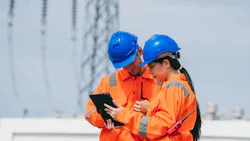
Much of the utility industry’s focus has been on physical assets, but knowledge is just as critical. Understanding how the grid operates, how systems behave under stress, and how decisions are made during live events is essential. That knowledge is increasingly at risk as experienced operators retire.
When Knowledge Isn’t Captured, Risk Increases
In many utilities, institutional knowledge still resides in individuals' minds rather than in systems. This becomes most visible during outages.
In one Midwestern utility cooperative, a storm-driven outage exposed the issue. The control room saw alarms and device activity across systems, but it was difficult to understand what was happening on the feeder. Over time, the feeder had been modified, but those changes were not fully reflected in the system of record. A non-standard backfeed path existed through a normally open tie, and only a veteran operator knew about it. That knowledge had never been documented in GIS, reflected in switching procedures, or visible in SCADA. It existed only in one person’s experience.
This was not a failure of technology. It was a failure to capture and operationalize knowledge. The result was longer outage duration, increased safety and operational risk, and slower restoration.
As experienced operators retire, utilities are losing more than just headcount. They are losing decision speed and confidence in the control room. Veteran operators rely on more than what is displayed on a screen. They understand how systems behave under stress, which devices may misreport, and where the real-world grid differs from the model.
As experienced operators retire, utilities are losing more than just headcount.
Newer operators rely more heavily on the system of record. In practice, that model is often incomplete. Even small gaps in data lead to more conservative decisions, more escalation, and slower restoration times.
Fragmented Systems, Slower Decisions
At the same time, most utilities operate across disconnected systems. SCADA, OMS, and GIS each provide part of the picture, but none presents a complete, unified view of the grid.
This means operators are left to connect the dots, often during high-pressure situations. They move between screens to understand what is happening, and in many cases, the data does not fully align. The outage view may not match how the feeder is built, or the model may be out of date.
Experienced operators can recognize and compensate for these gaps. Less experienced operators tend to trust what they see, even when it is incomplete. This introduces hesitation, repeated checks, and more frequent escalation.
The underlying issue is not only inefficiency, but also uncertainty. Systems do not provide the historical context or operational insight needed to support confident decision-making.
The most critical knowledge gaps reflect this reality. They include the difference between the modeled and real grids, how devices behave in the field, and how to make decisions under non-ideal conditions. Pattern recognition and informal coordination knowledge also play a role in how events are managed.
When this knowledge is missing, operators rely more on trial and error. Decisions slow down, and precision declines; now it matters most.
Building a More Resilient Operational Model
A more modern operational environment addresses these challenges by integrating systems and knowledge. Operators no longer need to search across platforms. Instead, they work from a unified, real-time view that reflects how the grid operates today.
In this environment, systems provide more than data. They provide context. When an event occurs, operators can quickly understand what is happening, what is affected, and what actions should be taken next. Just as important, the knowledge of experienced operators is captured within the system and made available to every shift.
Guided decision-making is a key part of this shift. Consider a fault on a feeder. A less experienced operator may see alarms and an outage but must determine the fault location and restoration plan. This typically involves checking multiple systems and making judgment calls under pressure.
With guided workflows, the system brings this information together. It identifies the likely fault location, shows the affected section, and provides a step-by-step switching plan based on the current grid configuration. It can also highlight risks such as load limits or backfeed conditions before action is taken. This approach does not replace operator judgment. It strengthens it, allowing less experienced operators to act with greater confidence and consistency.
For utilities starting this journey, the first steps are clear. Data must be aligned so that GIS, SCADA, and OMS reflect how the grid operates today. Systems must be connected to provide a single operational view. Most importantly, institutional knowledge must be captured and embedded into workflows before it is lost.
Aging infrastructure will remain a long-term challenge. The loss of workforce knowledge is happening now. Utilities that take steps to unify systems, preserve expertise, and support operators with better tools will be better positioned to maintain reliability and improve response times. Keeping the grid running is not only about maintaining assets. It is about ensuring that the knowledge required to operate those assets is available, consistent, and scalable across every shift.
About the Author
Scott Foster
Scott Foster is CEO at Delta Energy, helping utilities leverage grid intelligence for reliability, securing, and operational efficiencies.