PSE&G Reports Reliability and Infrastructure Improvements Ahead of Peak Hurricane Season
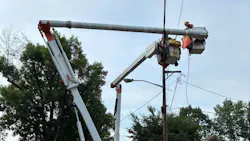
Public Service Electric & Gas (PSE&G) reported systemwide reliability results as New Jersey enters the peak of Atlantic hurricane season. The utility said ongoing projects to upgrade its electric and gas infrastructure are intended to improve system reliability, resiliency and capacity, while supporting preparedness for severe weather.
PSE&G has received the ReliabilityOne Award for electric system reliability in the Mid-Atlantic region for 24 consecutive years. The utility said recent infrastructure improvements have produced measurable changes across its electric and gas systems.
Among the results reported by PSE&G:
- Since 2023, just under 22,000 poles have been proactively replaced through July 2026. The utility reported a 50% improvement in reliability across the 20 circuits with the highest number of pole replacements, compared with their 2020-2024 average.
- Thirty-two circuits with upgraded overhead electric infrastructure have shown a 37% increase in resiliency and a 31% increase in reliability.
- Circuits upgraded through PSE&G's Infrastructure Advancement Program have experienced, on average, 22% fewer outage incidents and 23% fewer customers affected by outages.
- Since 2023, PSE&G has completed construction of six new high-capacity 13kV stations. The stations are intended to address system overloads, replace aging equipment and increase capacity to accommodate solar generation.
- Since 2016, PSE&G has upgraded more than 1,655 miles of gas main in more than 340 municipalities. The utility plans to replace an additional 525 miles of cast-iron and unprotected steel gas main in more than 70 municipalities over the next three years.
"These projects are delivering real tangible benefits where they matter — in the homes, businesses and communities that depend on us every day," said Paul Toscarelli, PSE&G vice president, electric operations. "At the end of every pole, wire and piece of equipment are customers who count on us to safely deliver the energy they need. We take that responsibility seriously, and we will continue strengthening our systems to provide safe, reliable service today and prepare for customers' changing energy needs."
Brian Clark, PSE&G, senior vice president, gas operations, continues: "Reliability starts with the strength of the system and the dedicated workforce behind it. By replacing aging infrastructure, we're reducing the risk of leaks and strengthening the gas system that nearly two million customers depend on every day. These programs help us deliver safe, reliable service today while preparing the system to serve our customers for years to come."
Infrastructure Initiatives Deliver Customer Benefits
PSE&G highlighted the reliability results during an event at its Livingston 230kV substation. The substation is part of the utility's infrastructure work in New Jersey and is intended to strengthen reliability and resiliency while increasing capacity.
The Livingston substation was placed in service in 2024 to support the heavy and increased load of western Essex County. The project involved construction of a new substation within PSE&G's existing right-of-way and use of an existing 230kV transmission line to establish a more robust and flexible feed into the station.
According to PSE&G, the project reduced the potential for overload conditions while adding capacity for future load growth in western Essex County and surrounding communities. Since its completion, customers served by the Livingston substation have experienced improved electric system resiliency and reliability, including improved performance during severe weather events and a reduced risk of service interruptions.
PSE&G said its infrastructure initiatives are focused on improving the performance of its electric and gas systems. The utility identified several expected benefits:
- Fewer and shorter electric outages as upgraded equipment and technology help prevent interruptions, isolate problems and support faster restoration.
- A stronger electric system that is better prepared for severe weather and changing customer energy needs.
- A safer gas system as older cast-iron and unprotected steel mains are replaced with modern infrastructure intended to reduce the risk of leaks.
- Additional electric-system capacity to address overloaded equipment, changing demand and additional solar generation.
Over the last decade, PSE&G has completed $30 billion in projects across its electric and gas systems, with nearly 75% dedicated to reliability and resiliency. The utility said it prepares year-round for extreme weather and continues to plan and carry out programs focused on maintaining service and improving system performance.
Work completed over the past decade has included strengthening substations, upgrading transmission and distribution equipment and modernizing technology. Infrastructure programs have also included raising 42 substations above Superstorm Sandy flood levels and installing more than 1,500 smart switching devices that can help crews identify problems and reroute power during outages.
PSE&G has also continued work on its natural gas network. Replacing aging cast-iron and unprotected steel infrastructure with modern gas mains is intended to reduce leaks, improve safety and strengthen service reliability for PSE&G's 1.9 million gas customers. The utility said it continues to maintain the lowest residential gas rates in the region for its customers.