Ontario Grid Prepared for Summer 2026 as New Capacity, Storage and Demand Response Expand
Ontario's electricity system is expected to have adequate supply to meet summer demand in 2026, supported by more than 1,000 MW of new capacity added to the grid since last summer, according to the Independent Electricity System Operator's (IESO) latest 18-month Reliability Outlook.
The IESO forecasts electricity demand growth of 0.5% this year, reflecting the impact of ongoing geopolitical developments that are slowing global economic growth. Despite the modest increase, the operator projects that peak demand could approach 26,000 MW under extreme weather conditions.
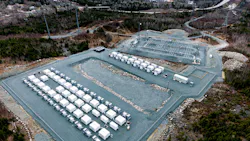
The outlook notes that energy storage and demand-side management resources will play an increasingly important role in meeting peak demand. Battery storage capacity on the Ontario system has more than tripled compared with last summer, providing additional flexibility for grid operations.
The added capacity is also expected to help offset reduced electricity import assumptions. The IESO lowered its import capability planning assumption from 2,000 MW to 1,800 MW because of tightening grid conditions in neighboring jurisdictions.
Looking ahead, the IESO expects electricity demand growth to strengthen in 2027. The organization is continuing to refine operating plans in preparation for several nuclear generation outages scheduled over the next year, including the shutdown of the Pickering Nuclear Generating Station's B units beginning in October 2026 and a planned vacuum building outage at the Darlington Nuclear Generating Station in April 2027.
On the demand-side management front, more than 320,000 residential and small-business customers are now enrolled in the Save on Energy Peak Perks demand response program, which can provide more than 200 MW of demand reduction capacity.
This summer also marks the launch of Peak Performance, a demand response program aimed at commercial and institutional facilities.
For large electricity consumers, the Industrial Conservation Initiative will continue to provide opportunities to reduce exposure to global adjustment costs while helping lower system demand during peak periods.