GridLab, Energy Innovation Propose Reforms to Address California Electricity Costs
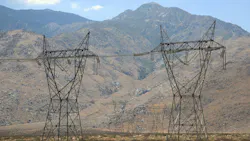
California’s electricity costs are drawing increased attention as state energy organizations outline potential changes to utility regulation, rate design and grid investment aimed at improving affordability.
GridLab and Energy Innovation have released Making California’s Electricity Cheaper: An Affordability Agenda for the Golden State, a report developed through policy workshops involving more than 20 California electricity experts. The report presents recommendations for the state’s next gubernatorial administration, legislators and the California Public Utilities Commission (CPUC).
The organizations argue that addressing electricity affordability will require changes to the regulatory and financial structures underlying utility costs, rather than relying solely on temporary bill relief.
The report identifies seven areas for potential reform:
- Streamline regulatory processes: Improve coordination among California agencies and reduce regulatory complexity and administrative costs.
- Increase transparency: Provide policymakers, regulators and customers with more information about utility spending, performance and the factors contributing to electricity costs.
- Revisit utility incentives: Examine whether existing regulatory incentives appropriately balance capital investment with cost control and customer value.
- Update rate design: Consider changes to electricity rates that better reflect customer usage and grid contributions while supporting electrification.
- Review how broader policy costs are recovered: Examine whether costs associated with climate mitigation and wildfire prevention that provide broader societal benefits should continue to be recovered primarily through electricity rates.
- Address financing costs and risk: Explore approaches for reducing the cost of capital and limiting financial risks passed on to customers.
- Increase grid flexibility and efficiency: Make greater use of demand flexibility and existing grid infrastructure to reduce system costs and potentially defer or avoid some new investment.
The report also connects electricity affordability with California’s efforts to electrify transportation, buildings and other sectors. The authors argue that higher electricity prices could increase the cost of electrification for households and businesses and affect the economic incentives for switching from fossil fuels to electricity.
“California does not have to choose between an affordable electricity system and its clean energy goals,” said Ric O’Connell, executive director of GridLab. “Bringing electricity costs under control is increasingly essential to achieving those goals.”
Mike O’Boyle, senior director of policy and strategy at Energy Innovation, said the report’s recommendations include changes to regulation, permitting, utility spending and wildfire risk.
The report comes as California policymakers continue to address electricity affordability alongside grid reliability, wildfire mitigation, decarbonization and growing electricity demand.
The full report, Making California’s Electricity Cheaper: An Affordability Agenda for the Golden State, is available from GridLab and Energy Innovation.