S&C Electric Expands Argonne Lab Partnership to Strengthen Power Grid Solutions
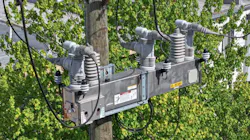
Global electrical equipment provider S&C Electric Co. has signed a new umbrella cooperative research and development agreement (CRADA) with the U.S. Department of Energy’s Argonne National Laboratory to advance grid modernization technologies.
This new agreement builds on the previous collaboration between Argonne and S&C to co-develop advanced insulation materials for medium-and high-voltage grid equipment through DOE’s Transformer Resilience and Advanced Composite (TRAC) program. By combining S&C's manufacturing footprint with Argonne's scientific research, the two entities aim to accelerate solutions for the electric power industry amid the growing challenges from large-scale load customers and AI data centers.
"The electric grid needs to evolve to accommodate the growing and shifting demands, which are exacerbated by external factors that have changed since the grid's original design,” said Ernst Scholtz, chief technology officer at S&C. “Solving these new challenges will require new technologies and new ways of working together.”
Scholtz adds that Argonne's research capabilities create a direct pathway from the lab and scientific discoveries to commercial tech, helping utilities meet rising demands for grid reliability and resilience. These efforts are particularly critical as aging infrastructure and extreme weather events place greater stress on the grid.
The Argonne lab provides expertise in materials design and testing. The joint teams will reportedly explore advanced material systems engineered to withstand severe weather and electrical stress while bolstering equipment lifespans.
The ultimate goal is to incorporate this research into future insulation systems across a range of S&C distribution-grid technologies, strengthening U.S. energy security.
Monica Neukomm, director of the electric grid program at Argonne National Laboratory, notes that this expanded partnership accelerates the transition of lab research into real-world applications, helping grid operators better prepare for evolving energy needs.
"Meeting the demands of a rapidly evolving electric grid will require close collaboration between industry and the national laboratories," said Neukomm.
About the Author
 Eric Moody