OPINION: Is Burying the Grid the Right Solution for Reliability?
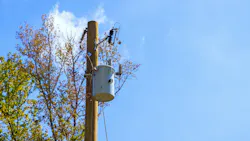
Once again, a debate has re-emerged on the merits of burying the grid underground to mitigate impacts from natural disasters. Typically, severe weather has been the culprit, more recently it’s wildfires.
This debate has also moved into the political arena with legislation requiring utilities to underground overhead systems as a potential solution to power outages related to wildfires, ice storms and high winds.
But this seemingly simple solution is far more complicated – and expensive – than it appears. The promise that placing utility lines underground can address all outage issues remains debated and may overlook many unintended consequences.
In the past 25 years dozens of studies have been published evaluating the benefits and costs related to undergrounding some or all of the electric grid. Many of these were prompted by previous disasters, which impacted thousands. Many reach similar conclusions, including:
- Undergrounding is significantly expensive
- It takes a long time to accomplish
- Costs can outweight benefits, particularly at large scale.
Some might say this time it’s different. This time, it’s not only about mitigating the impacts of weather; it’s also about keeping overhead lines from causing wildfires. But undergrounding lines won’t eliminate wildfire risk entirely. At least 95% of wildfires are caused by something other than a downed line.The cost of undergrounding power lines is daunting, even as utilities wrestle with other expensive challenges such as building new generation to meet demand. The costs of placing utility lines underground are often cited as significantly higher than overhead lines – in some cases reaching $6 million per mile. Much of the legislation aimed at placing lines underground seeks to use tax revenues to underwrite the high costs.
Underground lines are not exactly “bury and forget.” A report by InfraSource notes utilities can expect to replace underground equipment at nearly twice the rate as overhead equipment. In 2024, there were more than 200,000 incidents of excavation damage to buried utility systems. Underground systems require vaults for connections. According to an IEEE work group, there are 3,000 to 5,000 “manhole events” or explosions in such vaults each year from trapped heat and gasses generated by underground lines. There are instances when placing utility lines underground is appropriate. However, expecting it to solve all grid reliability issues may oversimplify a complex and costly challenge. There’s a reason there are more than 150 million wood utility poles supporting the North American electrical distribution system – overhead systems have historically provided reliable service.
Utilities can best serve their customers by fully researching the costs and consequences of moving overhead lines underground.
The challenges ahead for electric utilities in the 21st century are considerable. These new demands require thoughtful, well researched solutions that can ensure a resilient and responsible electric grid. Utilities should understand all of the implications before making large-scale infrastructure decisions.
The North American Wood Pole Council (NAWPC) has published a fully referenced Technical Bulletin on the topic, which can be found at WoodPoles.org.
Editor’s Note: The following commentary represents the views of the authoring organization. It is presented as part of an ongoing industry discussion on grid resiliency, wildfire mitigation and infrastructure investment approaches.
About the Author
Butch Bernhardt
Butch Bernhardt is the Administrative Vice President for the North American Wood Pole Council, representing wood pole manufacturers throughout the continent.