Transforming Southeast Asia's Power Grid: A Utility's Journey to Automation and Sustainability
Key Highlights
- The utility began modernization in 2018, focusing on automating manual switchgear and integrating with an advanced distribution management system (ADMS).
- G&W Electric’s compact, fully submersible switchgear was selected to withstand regional flooding and enable remote automation and fault detection.
- Pilot installations in 2021 validated performance, leading to widespread deployment, replacing 90% of switchgear by 2024, and significantly improving outage restoration times.
- The utility is piloting solid dielectric switchgear to eliminate SF6 emissions, aiming for full adoption by 2026, aligning with sustainability goals.
- The phased approach has resulted in faster outages recovery, reduced manual field work, and enhanced network scalability and environmental sustainability.
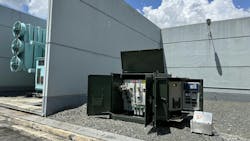
One of Southeast Asia’s largest privately operated electric distribution utilities—which has chosen not to be publicly identified—is undertaking a systemwide modernization effort to strengthen reliability and prepare its network for long-term growth. Although its service territory covers a relatively small geographic footprint, the utility delivers a significant share of its nation’s electricity, supporting dense urban communities, industrial loads, and rapid economic development. With more than a century of operating history, the company has long emphasized reliability, operational efficiency, and sustainability.
For years, the utility operated a mix of gas-insulated and oil-insulated switchgear from various manufacturers. These assets met demand but introduced challenges related to maintenance, scalability, and automation. As part of a broader plan to modernize its distribution network, the utility began seeking updated equipment that could automate legacy manual infrastructure, integrate with existing systems, and withstand the region’s flood-prone conditions.
The Challenge: Transitioning a Manual System Toward Automation
In 2018, the company started implementing an Advanced Distribution Management System (ADMS) to improve grid visibility and intelligence. However, key field components—including overhead reclosers, overhead switchgear, and underground manual switchgear—remained manually operated. This limited the ADMS’s ability to deliver the full benefits of automation.
A particular challenge was replacing underground manual switchgear with fully automated equipment that could fit into existing installations. The new equipment also needed to be fully submersible to ensure reliable operation during extreme weather. Once technical requirements were defined, the utility invited vendors to propose solutions. After evaluating the options and running pilot installations in critical areas, the utility selected G&W Electric’s switchgear and automation technology.
The Solution: Compact, Automated, and Submersible Switchgear
G&W Electric worked with the utility to design a switchgear system that aligned with the utility’s operational and environmental needs. The final design maintained a compact footprint, enabling installation without major site modifications, and offered full automation capabilities. A fully submersible construction addressed the region’s vulnerability to flooding.
The system also incorporated G&W Electric’s Power Grid Automation technology, supporting remote monitoring, automated switching, and real-time fault detection. The utility collaborated with G&W Electric’s distribution automation team to configure the system for its network and integrate it with the existing ADMS.
Implementation: A Phased Rollout
Phase 1: Pilot Testing
In 2021, during the COVID-19 pandemic, the utility deployed seven automated PNI gas-insulated switchgear units in commercial and metro areas. These installations served as a test bed to verify performance, physical design, submersibility, and integration with the utility’s automation systems.
Phase 2: Broader Deployment
After favorable pilot results, the utility expanded deployment across its network. Automated gas-insulated switchgear improved restoration times, enhanced visibility, and reduced the need for manual field intervention. By 2024, the utility had replaced about 40 gas-insulated switches, covering approximately 90% of its switchgear fleet.
Next Steps: Solid Dielectric Technology for Long-Term Sustainability
The utility is now piloting G&W Electric’s Trident solid dielectric switchgear as part of its effort to reduce reliance on SF6-insulated equipment. The solid dielectric equipment eliminates SF6 emissions, decreases maintenance needs, and maintains resilience. Because it uses similar configurations and automation schemes, it can be integrated into the network without major infrastructure changes. The utility aims to adopt a fully sustainable switchgear approach by 2026.
Results and Impact
The modernization initiative has delivered several operational improvements:
-
Faster restoration: Automated fault isolation and switching reduce outage durations from hours to seconds.
-
Operational efficiency: Remote control capabilities reduce truck rolls and allow more effective resource management.
-
Scalability: Automation features can expand along with the network.
-
Environmental progress: The planned move to solid dielectric equipment aligns with national sustainability goals.
This multi-year effort shows how a phased, engineering-driven approach can help a large distribution utility transition from manual operations to a more automated and resilient system. The project also illustrates how utilities are beginning to blend modernization with long-term sustainability goals, especially as they move toward technologies with lower environmental impact.