Terna to Begin Restructuring of Electricity Grid in the Municipality of Riccione
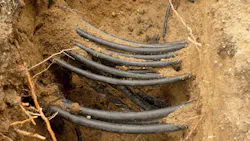
Terna is planning to work on restructuring the electricity grid in the municipality of Riccione.
The company has invested around $69.98 million in the project, which will affect a total of eight municipalities in the Romagna area, between the provinces of Rimini and Forli-Cesena. The intervention, which is part of the broader undertaking known as the 132 kV Rimini-Riccione link, will enable the electricity system in the area to safer and more efficient, especially during summer, when local electricity consumption rises due to a high tourist presence and a resulting rise in energy demand for hospitality and services.
The first stage of the works, which will affect the municipalities of Riccione and Coriano, will be marked by two distinct phases of operations. The first, set to last about a year, will focus on laying new underground cables running a total length of around 8 km, as well as on the installation of three new poles.
Initially, the interventions will impact the streets of Viale Ascoli Piceno, Viale Toscana, Via Empoli and Viale Sardegna. The areas involved will see temporary, itinerant construction sites set up accompanied by an alternating one-way traffic management system or, if necessary, detours through alternative routes.
This will be followed by a second stage of interventions, affecting the Riccione Electrical Substation and the Riccione Primary Cabin. The works, along with others which will affect the municipality of Rimini over the coming months, will make way for many environmental benefits.
There will also be advantages for the municipalities of Coriano, Sant’Arcangelo di Romagna, San Mauro Pascoli, Savignano sul Rubicone, Gatteo and Gambettola, with over 40 km of old overhead lines and 171 pylons crossing through densely populated areas set to be demolished at the end of the new project. 130 hectares of land will be released from electrical infrastructure.
Terna plans to restore the road surface along all stretches impacted by the work, upon completing all activities. Temporary signposts, traffic police and noticeboards will be used to flag all activities, which will be conducted in coordination with the local administration and the municipal police, to minimize disruption to traffic flows.