How to Protect Utility Fleets from Costly Rodent Damage
As the energy industry rapidly expands infrastructure to meet the power demands of new data centers, major construction projects are underway nationwide. The increasing frequency of weather disasters has also driven demand for lineworkers, substation technicians and disaster-relief electricians to be on the road responding to catastrophic incidents.
One of the most essential tools for the energy industry is the fleet of vehicles electrical companies use to service substations, lines and other field equipment. Depending on size and features, a new vehicle can cost from $60,000 to more than $200,000.
Downtime due to rodent-damaged vehicles is costly not only in repair costs, but also in the delays it causes in completing construction projects and restoring power after a disaster.
Why Rodents Are Attracted to Utility Vehicles
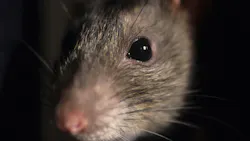
Rodents such as mice, rats, squirrels, chipmunks and other small mammals can cause extensive and costly damage to utility trucks. Because their teeth never stop growing, they have an insatiable desire to chew.
Many work trucks and vans are stored outdoors rather than in garages, which can increase the risk of them experiencing rodent damage. Work vehicles often remain parked for extended periods, creating a quiet and protected shelter. Rodents naturally seek out sheltered environments.
Operating vehicles generate warmth inside the engine compartment and areas of the vehicle. Battery systems, power electronics, charging components and enclosed compartments can retain heat, making them attractive refuges during colder weather. Fleet vehicles stored overnight in garages, maintenance yards, warehouses or outdoor lots can become ideal nesting sites.
The Impact of Rodents Chewing on Vehicle Electrical Systems
Rodents can cause a variety of damage to vehicles, from blocking climate-control intakes with nests to ripping up interior fabrics. While any rodent infestation can cause a mess and be costly to repair, one of the most significant threats rodents pose is damage to electrical wiring. Wiring harnesses, insulation coverings, connectors and cable jackets that are easily accessible from the underside of a vehicle often become targets.
In electric vehicles, wiring systems are particularly critical because they control virtually every aspect of vehicle operation. Damage to a single wire can disrupt communication between sensors, controllers, battery management systems, charging equipment and drive motors.
Common malfunctions caused by rodent damage can include startup failures, battery charging problems, faulty sensor readings, loss of lighting systems, reduced vehicle performance, unexpected warning indicators, and, in extreme cases, complete vehicle shutdown.
Financial Consequences for Utility Fleets
Rodent-related damage can have a substantial financial impact on utility companies. Direct repair costs may include replacement wiring harnesses, sensors, electronic control modules, charging equipment and labor expenses. The cost of vehicle replacement parts and labor continues to rise, making rodent damage a compounding problem. Insurance claims associated with rodent damage can also contribute to higher long-term operating expenses.
However, indirect costs are often even greater. Vehicle downtime can delay field operations, reduce workforce productivity and disrupt customer service. When multiple vehicles experience rodent damage at the same time, operational disruptions can become significant. Fleet managers may need to rent replacement vehicles, reschedule work assignments or postpone critical maintenance and power restoration activities.
Controlling Rodent Damage Starts with Good Habits
Because rodent-related claims have increased in recent years, more insurance companies are excluding rodent damage from comprehensive coverage than five years ago. This means fleets need to be even more vigilant at protecting vehicles from rodents. This can start with a few basic maintenance habits.
- Don’t store food in the car that could attract rodents and park them 50 yards away from garbage cans. When vehicles are returned to the storage lot at the end of a shift or the end of the day, check them for food and wrappers.
- Move vehicles routinely. While not a foolproof way to keep rodents from invading a vehicle, regularly moving vehicles or running them for a few minutes (and avoiding letting the engine warm up) can disturb rodents and force them to find a quieter, less mobile place to nest.
- Keep parking lots clean and free of trash and food scraps that can attract rodents. Avoid planting landscaping that can also attract rodents, like fruit or nut trees.
Why Some Rodent Control Methods Can Make Infestations Worse
It is natural to think that solving a rodent problem should start with traps and poison to keep populations in check. However, setting traps and using rodent bait can make infestation problems even worse.
Rodent traps can catch rats and mice, but rodents are cannibals, so a dead mouse is also food for its brethren, and one caught in a trap for a few hours can smell like a delicious meal to other rodents.
Rodent bait can also be effective. Rodents will eat it and die from the poison, but here are downsides to this method. Animals like hawks, owls, and cats can eat poisoned, dying rodents and get poisoned too. When they die nearby, rodents are attracted to the carcass, and the cycle continues.
Rodent Deterrents Are Temporary at Best
Online forums suggest that Irish spring flakes, mothballs, peppermint oil, feline spray, and dryer sheets can deter rodents. But they must be reapplied periodically, and the vehicle must be thoroughly coated for them to work as a holistic protection method.
Spraying a few spritzes in the engine compartment won't protect the wiring harness that runs the length of the car. Also, rodents live in sewers and garbage dumps, which are some of the worst-smelling places on earth, and they thrive there. They quickly get used to bad smells.
Noisemakers and strobe lights are also often recommended as a line of defense. In 2014, the University of Arizona (N. Aflitto, T. DeGomez) published a paper that added to a growing body of evidence on the effectiveness of these devices. They concluded that they were “not effective.”
Another 2002 study for the Journal of Agricultural and Urban Entomology found they decreased rodent presence for two to three weeks before rodents became used to the environment.
Effective Rodent Protection Methods
Keeping vehicle interiors clean and free of food or other rodent attractants is step one. Well-placed traps can reduce the infestation population, but they need to be checked and cleaned regularly to avoid attracting more rodents.
A physical barrier is the best option for limiting rodent damage to fleets. Parking in a garage can reduce access points for larger rodents, but mice can still be a problem.
A weighted vehicle cover, like CoverSeal, fully covers a vehicle and has a weighted ring sewn into the base that encircles the car or truck and seals to the ground. Rats and mice can't lift the cover, effectively blocking their access.
Other cover options enclose vehicles within a sealed bag. These are costly, make it hard to get the vehicle in and out, and raise concerns about mold growth and the buildup of fumes from battery, oil, brake and power steering fluids.
No method guarantees prevention of all rodent damage. Protecting fleets from rodent damage is an ongoing challenge. But taking preventative steps can help mitigate risks and, most importantly, reduce costly repair bills and vehicle downtime.

About the Author
Ken Huening
Ken Huening is the inventor and CEO of CoverSeal. An avid collector of exotic and classic vehicles, Ken has experienced rodent damage on more than one occasion. To his dismay, most solutions on the market to deter rodents were either impractical or ineffective. He created CoverSeal as an easy and complete protection solution. For more information, visit www.getcoverseal.com.
Related
 dreamstime_xxl_448686192