The Life and Training of a Modern Lineworker: From Apprenticeship to Leadership
Mike Soderquist, Eversource
- Finishing his third year as an apprentice for Eversource.
- Works on the distribution side of the utility.
- Enjoys spending time with family, riding and working on his Harley Davidson, snowboarding and visiting the mountains.
- Tries to strike a balance between staying active and relaxing during his downtime, which he said is a must when working in the line trade.
Getting Inspired to Work in the Trade
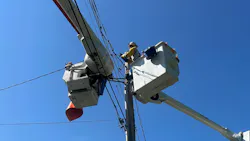
I became interested in the line trade because I’ve always been drawn to more hands-on careers where I can solve problems in real time and see the direct results of my work. Sitting behind a desk has never fully appealed to me. A few of my friends are lineworkers, and they shared their experiences, which sparked my interest. Learning about the importance of the work and the rewarding effects made me realize it was a path I wanted to pursue.
Training on the Line
At Eversource, we have a main training yard in Berlin, Connecticut, where we go for tests and yearly refreshers. As for day-to-day training, we have a smaller de-energized practice yard at our shop in Hartford, Connecticut, where we can practice the skills we need to improve. The company also provides classroom training for new equipment and materials introduced to us.
Going to Line School
Attending the Linemen Institute of the North East (L.I.N.E) in New York really helped set me up for where I am now. They provided me with hands-on experience with the tools and equipment we use every day in the field, which made the learning curve much shorter. I learned a lot about safety, climbing and the basics of electrical work that is used on the job. L.I.N.E is equipped with state-of-the-art tools, trucks, and equipment that have helped me feel much more prepared and ready to step into the trade.
Day in the Life
We work about eight hours a day, five days a week. Our crew size varies from three to five guys, depending on the job, focusing on distribution work. Most of our training is done hands-on with the guidance of qualified lineworkers, showing you the tricks of the trade. Apprentices will rotate who we work with so we can learn different ways lineworkers teach, resulting in the same outcome.
Overcoming Challenges
One of the biggest challenges in the utility industry is the fast-paced learning environment when working alongside experienced lineworkers. There is a lot of information, tools, work practices, and regulations you are expected to learn and follow. Although these get easier over time, the first year or two may seem a bit overwhelming for building confidence and reliability.
I believe the training for apprentices today is very different from years past due to the level of safety enforced and evolving technology. These two things make training much easier on the body and lead to fewer workplace accidents.
Working Storms
Storm work is the most exciting part of my job. Although the working conditions are usually subpar due to rain, snow or wind, this work is where you will learn the most. The damage from a storm makes you have to think outside of the box and get creative to restore poles, equipment and wires back to their original state. Every job is different. Sometimes you will have to reconstruct a whole section of the street or determine how to consolidate the damage and make repairs accordingly. However, the rewarding feeling is getting people’s power back on and seeing those in the neighborhoods you work in wave and show their gratitude. That is what makes it worth it in the end.
Living the Line Life
Looking back, I could not see myself doing any other trade. This career choice is by far one of the best decisions I have made. My favorite part of working as a lineworker is the ever-changing environment. Each day is different with new ways to learn, and that keeps it exciting. I have also found that the bond and brotherhood you create with your co-workers, through the long hours and tough work, keep camaraderie high.
Advice to Other Apprentices
The top three qualities that I believe are the most important for an apprentice to succeed are to be hardworking, attentive and flexible. Apprentices have a number of responsibilities, such as preparing material, shop/truck cleanliness, and organization, to name a few. Being able to take on any task at hand and being willing to jump into it will show your dedication. You must be able to listen to instructions and follow them. This is very important because most things are done a certain way for a reason; others rely on you to ensure safety. The schedule for this job is always changing, and you can never predict the weather. When the phone rings, you have to be prepared, both physically and mentally, to go in and do the job at any time.
My advice to anyone looking to become an apprentice lineworker is to show up prepared, stay coachable and take the job seriously from day one. Be willing to listen, ask questions when you don’t understand something and focus on learning the fundamentals before trying to move too fast. A strong work ethic and a good attitude go a long way in this trade. During my apprenticeship, I learned the importance of following procedures, paying attention, double-checking your work and speaking up if something doesn’t seem right. I also learned that consistency and reliability matter just as much as technical skill. Do the right things every day, and the rest falls into place.
Staying Safe in the Field
I stay safe by following established procedures, using the proper PPE and taking the time to verify conditions before starting any task. That includes conducting thorough job briefings, maintaining clear communication with the crew and not taking shortcuts, especially when working around energized equipment. Safety is critical in the line trade. The work carries inherent risks, and those risks don’t leave room for complacency. Consistently following safety practices protects not only yourself, but the entire crew, and it’s a responsibility that comes with the job.
Embracing New Tools and Technologies
I’m currently building on my experience with updated line work tools and technologies that improve both productivity and safety in the field. This includes advanced PPE and fall-protection systems, digital job briefings and tailboard documentation, and newer testing and grounding equipment to ensure proper isolation and verification before work begins. I’m also continuing to refine my use of mobile communication and mapping tools to support efficient coordination, outage response and situational awareness on the job site.
Looking to the Future
In five to 10 years, I see myself continuing to learn and master the trade. No matter how many years of experience you have, you can always learn something new. One goal I have is to eventually become a chief lineman and run my own crew. My main goal would be making sure the whole crew is on the same page and can work efficiently and safely, so everyone goes home to their families at the end of the day. This type of responsibility is very important to me, and I hope to bring that to my own crew one day.
Editor’s Note: If you know of an apprentice who we should feature in our Faces of the Future Department, please email Amy Fischbach at [email protected]. Each apprentice we profile in this department will receive a tool package from Milwaukee Tool in recognition of their dedication to the line trade.