South Carolina Regulators Approve Duke Energy Proposals Affecting Customer Bills and Grid Investments
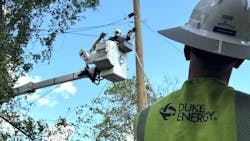
Beginning in January, Duke Energy will implement changes to customer bills reflecting investments to recover from damage caused by Hurricane Helene, strengthen the electric grid, maintain and upgrade power generation assets, and serve a growing customer base in South Carolina.
“Duke Energy is committed to meeting the expectations our customers have around reliability, responsiveness and value – striking the right balance that delivers these at the lowest possible cost for customers,” said Tim Pearson, Duke Energy’s South Carolina president. “That means investing in what matters, delivering results efficiently, and remaining transparent about what customers are paying for and why.”
The Public Service Commission of South Carolina (PSCSC) recently approved these updates for customers of Duke Energy Carolinas (DEC) and Duke Energy Progress (DEP), Duke Energy’s two utilities operating in the state.
Hurricane Helene cost recovery
Securitization, which involves issuing low-interest, long-term bonds, is one method Duke Energy is using to recover large, unplanned storm-related expenses while limiting customer bill impacts. The PSCSC approved a securitization plan related to Hurricane Helene that is expected to save DEC customers more than $140 million compared with traditional cost recovery methods.
Beginning in January, a typical residential DEC customer using 1,000 kilowatt-hours (kWh) of electricity per month will see a new storm charge representing a 3.2% increase, or $4.58 per month. This approach is expected to result in approximately 20% savings for customers over the recovery period.
“We appreciate the legislature providing tools like securitization to address extreme storm costs as we continue to pursue ways to reduce these impacts on customer bills,” Pearson said.
Grid reliability and system investments
Duke Energy has made investments in grid upgrades, storm resilience, and maintenance and upgrades of its generation fleet. According to the company, these investments are already in place and contributing to faster restoration times, improved reliability, and operational efficiency in South Carolina.
As part of ongoing grid modernization efforts, Duke Energy has nearly tripled the number of South Carolina customers served by self-healing technology over the past two years. More than 70% of customers now receive service supported by automated power restoration systems.
“Meeting the needs of our customers means prioritizing investments that enhance the grid while also minimizing the cost impact for customers,” Pearson said. “For example, Duke Energy’s nuclear units are expected to generate hundreds of millions of dollars of annual tax credits in the coming years – savings that will be passed to our customers beginning in 2026.”
Customer bill impacts
The PSCSC also approved comprehensive agreements among multiple stakeholder groups that apply expected tax credits to customer bills and include shareholder-funded contributions to residential customers. These measures are intended to help offset the impacts of recent infrastructure investments on customer bills over the next two years.
-
Duke Energy Progress (DEP): Beginning Feb. 1, monthly electric bills for a typical DEP residential customer using 1,000 kWh per month will increase by about $11.20, from $153.82 to $165.02.
-
Duke Energy Carolinas (DEC): Beginning March 1, monthly electric bills for a typical DEC residential customer using 1,000 kWh per month will increase by about $0.84, from $148.02 to $148.86. This amount includes the previously noted securitization charge.
DEC serves approximately 680,000 households and businesses primarily in Upstate and north central South Carolina, including Greenville, Anderson, and York counties. DEP serves about 177,000 customers in the Pee Dee region and northeastern South Carolina, including Sumter, Florence, and Darlington counties. If approved by regulators in 2026, a proposed combination of the two utilities is projected to save customers in the Carolinas more than $1 billion in future costs.
Energy efficiency and customer programs
“Customers expect us to manage our costs, but they also want options to manage their own energy usage and give them tools to impact their own bills,” Pearson said. “That’s why we’re helping customers lower their energy use – and lower their bills – through programs that make a measurable difference.”
Across the Carolinas, Duke Energy’s energy efficiency programs deliver annual savings reported to be 150% better than the national average. In South Carolina, the company has recently increased incentives for several efficiency programs, expanding opportunities for customers to reduce energy use and manage costs.