Strategic Procurement: The Key to Navigating the Modern Power Grid Challenges
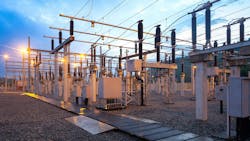
The modern power grid is facing the most turbulent era in its history. It is confronting unprecedented, interconnected pressures that are drawing into question whether the industry can sustain future energy needs. Utility providers need to confront these pressures today to support anticipated grid growth and avoid the bleak outlook of increased outages and blackouts within the next few years. There are three major challenges specifically striking the utility industry and placing extraordinary strain on the grid:
Challenge #1: Surging demand from data centers and other consumers. By 2028, data centers could consume roughly 12% of U.S. electricity, tripling its share from 2023. Operating 24/7, each data center campus can draw as much power as a mid-sized city, placing both peak and off-peak stress on regional grids.
But increasing demand is not just coming from data centers. Anticipated continued growth of electric vehicles, particularly in the commercial sector, utilizing overnight vehicle charging, is anticipated to turn off-peak times into peak times, adding constant strain to the grid. Electric vehicles (personal, corporate fleets, and mass transit) are expected to add 100-185 terawatt hours (TWh) to the grid by 2030. The electrification of heating equipment also switches demand from gas to electric, increasing strain on the grid even further, particularly if upgrades are needed. Altogether, electricity demands are expected to rise 25% by 2030 and 78% by 2050 from 2023 levels.
Challenge #2: Aging infrastructure can no longer wait for upgrades, and costs are mounting. Most U.S. distribution lines have surpassed their 50-year life expectancy, leaving utilities little choice but to accelerate upgrades. Utilities are investing at record rates with $174 billion on capital expenditures in 2024 alone, potentially rising as high as $208 billion by the end of 2025, nearly half of which is allocated to modernizing the aging infrastructure.
But these updates are not timing well with the volatile market. Tariffs on steel, aluminum, copper, and other metals have driven up costs for utility production and construction, while prices for critical components, such as transformers, switchgear and smart meters, have surged. This impacts both conventional and renewable projects. Furthermore, because of tariffs, trade disputes and demand spikes, lead times are stretching. It can now take two to four years to order and obtain a transformer.
Challenge #3: Climate-driven disasters are increasing in frequency and intensity, driving up repair costs. In 2024, the United States faced 27 billion-dollar climate disasters, totaling $183 billion in damages, and another 23 occurred in 2025, totaling $115 billion. These disasters require speedy repairs, and they further disrupt supply chains, drive up costs and delay projects.
Duke Energy reported that the damage caused by Hurricanes Debby, Helene and Milton in 2024, damaging miles of transmission lines and power poles in its service areas, left the provider with $1.1 billion in recovery costs. The energy provider had to raise rates for its customers to make up some of the loss, and the storm costs will remain on bills through February 2026. Even well-prepared companies are seeing damages and impacts that last for years.
The Power of Procurement
A stronger, more strategic approach can help utilities confront these challenges head-on. However, most industry leaders don’t think of procurement until a transformer delay postpones a project or forces a rebid mid-project.
Procurement is far more than a simple back-office function responsible for purchasing needed materials, components, and services. Procurement can provide a strategic advantage that can strengthen supplier relationships, develop risk management plans, ensure sustainability, negotiate beneficial agreements, and deliver long-term business value.
When a crisis strikes, procurement is where the pressure lands first. This puts procurement in the prime position to anticipate, detect, mitigate, and solve for these challenges. Here are some specific solutions procurement can offer:
Solution #1: Procurement can proactively secure capacity to plan for increasing demand, negotiate prices for materials and equipment to minimize the cost of upgrades, and coordinate with suppliers to prevent bottlenecks and ensure reliable operations.
Solution #2: To help utilities afford grid updates in a volatile market, procurement can establish geopolitical monitoring teams, diversify supply bases, leverage predictive analytics, and negotiate flexible contract structures. Some organizations have implemented tariff command centers that combine real-time analytics with cross-functional decision-making to anticipate and mitigate supply chain disruptions before they impact projects.
Solution #3: Procurement can also embed resilience for climate-driven disasters by establishing regional stockpiles, negotiating surge-capacity agreements and mutual aid contracts, and stress-testing suppliers to ensure they can perform under extreme conditions.
Supercharging Your Procurement Practices
Historically, the utilities sector has lagged other industries in procurement maturity. Without a strategic procurement approach, projects often go over budget by 20-40%, leaving companies with the painful choice of paying more or delaying projects. In addition, by 2035, electricity demand could exceed today’s capital plans by 20-30%, which means planning gaps are already forming. It is critical that utility providers focus on improving their procurement practices now.
Here are the top ways to build your procurement maturity:
- Establish tighter alignment with operational planning. Position procurement as an enabler of operational reliability and growth—not a cost gatekeeper. Embed procurement early in planning cycles, align category strategies to long-term operational and capital plans, and co-own performance outcomes that matter to the business.
- Build resilience through diversity. Start by locking in contracts for long lead times and identify alternative sources for critical components and materials. Then expand the scope to qualify alternative suppliers for other items, expand regional manufacturing partnerships, and explore friendshoring for critical components.
- Develop procurement talent to support strategic procurement activities such as category management and collaborative business planning, whether through professional development, or partnering with expert consultants for immediate needs.
- Invest in technology and analytics to generate predictive insights that will best inform long-range budgets, rate cases, and recovery strategies.
- Build a center of excellence for procurement that serves as a single source of truth for spend, supplier management, market research, and project milestone management.
- Integrate procurement across the enterprise by aligning with business teams such as engineering, construction, IT, HR and finance teams to understand projects, collaborate on budget decisions to prevent redesigns and rebids and implementing cross-functional rhythms, such as standing review boards across finance, operations, engineering, and procurement to keep plans on track.
- Nurture supplier relationships to not only unlock better pricing but also to generate value through innovations, resilience strategies, and environmental practices.
The choices made in procurement today will shape the future of utilities. To succeed, procurement must evolve beyond transactional purchasing transactions to become a strategic driver of resilience. Organizations that strengthen procurement now will be best positioned to navigate tomorrow’s uncertainty and meet rising demands.
About the Author
Conrad Snover
Conrad Snover is CEO of ProcureAbility and leads the firm’s vision and growth through a focus on client success and the continuous innovation of procurement and supply chain services. Conrad brings a broad perspective shaped by more than three decades of advising executives on procurement optimization and supply chain transformation.
He is deeply committed to helping global organizations evolve procurement from a transactional function into a strategic driver of value for the enterprise. His work centers on guiding organizations through complex change—strengthening supplier ecosystems, redefining operating models, and modernizing capabilities to help evolve procurement toward modern models that deliver intelligence, agility, measurable value, and sustainable competitive advantage. Throughout his career, Conrad has partnered with Fortune 1000 organizations across a wide array of industries including energy, utilities, technology, financial services, hospitality, and healthcare.
Within ProcureAbility, Conrad champions an internal focus on talent development in a culture of empowerment. He serves on the Boards of Directors for the Utility Supply Management Alliance (USMA) and the Utility Purchasing Management Group (UPMG). He is frequently consulted by executive teams and industry organizations for his perspectives on the future of procurement, leadership, and trends, and is a recognized thought leader who is regularly interviewed and quoted by leading industry media.