As the U.S. Speeds up Grid Expansion, Transformers Must Keep Pace
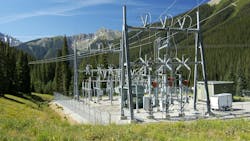
There is now broad consensus across the U.S. power sector that grid modernization is urgent. The challenge is no longer how to generate clean energy, but how to deliver it. By the end of 2023, roughly 2,600 gigawatts of generation and storage capacity was waiting in interconnection queues across the country, according to the Energy Markets and Policy Group. Of this, about 1,080 GW was solar, 1,030 GW battery storage, and 366 GW wind.
Modernizing the grid means creating smarter, more flexible systems capable of balancing rising demand while integrating cleaner sources of power and building out the associated delivery capacity that relies on transmission and distribution power transformers.
Transformers are the bridge that makes every watt of electricity usable. They step up voltage for long-distance transmission and step it down again for homes, hospitals, data centers, and industries. They are the heart of the power grid’s reliability, flexibility, and resilience, because if they fail, every downstream customer will suffer.
The problem is that many of the U.S. transformers are decades old and working far beyond their intended lifespans yet replacing them is neither quick nor easy. Prices have shot up, in some cases increasing 60-80% since 2020, while wait times stretch from months to years. With nearly 80% of large transformers imported, supply chain constraints have turned what was once a six-month procurement cycle into a multi-year challenge. In one recent example, a Midwestern utility was forced to delay a major data center interconnection because the required transformer wouldn’t arrive until 2027. Across the country, large transformer lead times now exceed 200 weeks, while even smaller units can take up to two years to deliver.
Speed to Power Initiative
Against this backdrop, the U.S. Department of Energy’s Speed to Power initiative, announced in September 2025, offers a path forward. The program aims to accelerate grid infrastructure development, shorten interconnection timelines, and enhance system reliability. It recognizes that to meet the surging demand from electrification, data centers, artificial intelligence, and advanced manufacturing, the grid must grow faster, smarter, and stronger.
This is, of course, true. However, in the process of achieving the aims of the program to create a smarter, stronger grid, we still need to protect the transformers we are using, and that requires asset monitoring.
Transformers don’t just transmit power but define the limits of grid responsiveness.
Transformers don’t just transmit power but define the limits of grid responsiveness. Many are now operating with bi-directional load flows, higher load currents and higher harmonic content than ever before, and sometimes beyond what they were designed for. The result is a fragile system where both aging assets and long delivery times threaten to slow the nation’s clean energy ambitions.
This is where innovation can make a major difference. When equipped with monitoring sensors and predictive analytics, transformers can effectively “speak” to their operators by alerting them when early signs of an internal (incipient) fault appear. By detecting hydrogen buildup inside transformer oil, these monitoring systems provide real-time insights into heating, insulation breakdown and/or arcing faults, prompting action before the transformer becomes damaged beyond economic repair.
Schedule Maintenance to Minimize Downtime
This shift from reactive to predictive maintenance transforms the economics of reliability. Instead of waiting for outages, utilities can schedule maintenance at optimal times, extend equipment life, and minimize costly downtime. Predictive maintenance also allows utilities to prioritize assets based on risk, allocate budgets more efficiently, and build operational resilience across the entire network. For a grid under constant strain, that foresight is invaluable.
The benefits extend well beyond individual substations. When connected transformers feed their health and performance data into centralized analytics platforms, utilities gain a system-wide view of their infrastructure. They can anticipate where risks are emerging, redistribute loads before faults escalate, and plan replacements strategically. This real-time visibility creates a dynamic, data-driven ecosystem — one where decisions are guided by evidence, not guesswork.
In the longer term, digitalized transformers will be a critical part of the sensory network of the modern grid. They will provide utilities with the information needed to respond instantly to fluctuations in supply and demand, integrate renewables more effectively, and withstand the growing impacts of extreme weather. As utilities strive to expand grid capacity and strengthen resilience, digitalization will be just as important as physical expansion.
Federal programs like Grid Resilience and Innovation Partnerships (GRIP) and the Transmission Facilitation Program can play a crucial role in this transition by funding smart transformer technologies and condition-based monitoring systems. Integrating these technologies into Speed to Power initiative will ensure long-term reliability and reduce future replacement needs.
Extending Transformer Lifespan
Encouragingly, steps are being taken to boost domestic transformer manufacturing, but expanding capacity will take time. In the interim, most of the transformers currently in operation will remain in service for years to come. That makes extending their lifespan through smarter monitoring and data analytics an immediate priority. Hydrogen monitoring, in particular, offers one of the most cost-effective ways to achieve this, allowing operators to detect faults early, protect critical assets, and buy valuable time as new equipment comes online. In addition, because monitors provide an indirect indication of excessive loading, they can help operators to understand exactly the tolerance of a transformer without risking asset failure.
Every discussion about grid modernization, reliability, or resilience should begin with the transformer. As the DOE accelerates its Speed to Power agenda, we must ensure that transformers move from the background of planning to the center of strategy.
To achieve this, policymakers, utilities, and technology partners must work together by investing not only in additional manufacturing capacity but also enhancing digital capabilities, harmonizing data standards, and rethinking asset management.
About the Author
David Meyers
David Meyers is President and CEO of H2Scan.