PG&E Launches Trial to Use Existing Fiber Optic Network for Transmission Line Monitoring
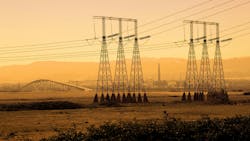
Pacific Gas and Electric Company (PG&E) is testing a new approach to transmission line monitoring that uses the utility’s existing fiber optic network to gather real-time data across challenging terrain in San Luis Obispo and Humboldt counties. The 18-month trial involves technology from Prisma Photonics and is designed to evaluate whether fiber already installed on the system can serve as a comprehensive sensing platform for transmission operations.
The project focuses on three transmission corridors that run from coastal areas into mountainous regions—locations where installing traditional monitoring equipment would be difficult and costly. By turning embedded fiber into a sensing system, the utility aims to gain visibility into line temperature, strain, and environmental conditions that influence capacity and reliability.
California utilities face growing operational pressures from increasing electricity demand, expanding data center activity, more frequent extreme weather, and aging infrastructure. System operators have been exploring ways to extract more capacity from existing lines while managing risks and avoiding years-long installation timelines for additional equipment.
Prisma Photonics’ system is intended to provide Dynamic Line Rating (DLR) insights and broader asset-health information. Instead of deploying sensors at multiple tower sites, the approach requires only optical interrogation equipment installed at substations. Data collected from the fiber can be mapped to specific tower locations, which may help maintenance crews respond more quickly to emerging issues.
“Prisma Photonics serves as the Swiss Army knife for grid challenges, providing the right tools for a variety of circumstances, from dynamic line rating to resiliency to extreme weather monitoring,” said Dr. Eran Inbar, CEO of Prisma Photonics. “Our partnership with PG&E demonstrates how utilities can gain comprehensive grid monitoring capabilities while avoiding the traditional complexity and costs of sensor-based solutions.”
The trial reflects a wider industry interest in using existing infrastructure to support grid modernization as utilities respond to demand growth, operational constraints, and customer affordability concerns. Findings from the deployment will help PG&E assess how fiber-based sensing can support operational decision-making across its transmission network.