Collaboration and Innovation in the U.S. Transmission Industry
As more than 2200 engineers, scientists, technicians, managers, manufacturers, innovators, producers, and consultants of the powerline structures industry gathered in Dallas, Texas for the 2025 Electrical Transmission and Substation Structures (ETS) conference, they were faced with the following facts and projections:
- The average age of the transmission assets in the U.S. is 60 years old. Which means that 120,000 miles of transmission lines and 33,000 substations are beyond their planned design life.
- The record peak demand for electricity in the lower 48 U.S. states, of 759,000 MW was set on July 29, 2025 — only a few months ago!
- Experts are predicting 2.5% to 3.5% compound annual growth in U.S. electricity demand through 2035. This translates to about 440 Gigawatts of additional generating capacity required in just 10 short years. And as everyone in this industry knows, the grid has to grow along with this generating capacity!
- Annual capital spending on the US transmission system tripled in the 20 years from 2003 to 2023, and now in the 4 years from 2023 to 2027, it is expected to go from US$27B to US$50B — which is a near doubling in only four years!
The question on everyone’s mind is "how will we do it all?" How will we rebuild or refurbish our aging infrastructure while at the same time expanding the grid to meet increasing demands for electricity from data centers, increases in domestic manufacturing, and electrification of transportation and buildings all which must be aligned to new and expanded generation and battery storage?
In the Opening Plenary, I opined that the solutions to these challenges are not a specific set of programs or initiatives, although these are surely needed, instead we will need to stand strong on the foundation we have built over many decades. A foundation of teamwork and collaboration. A foundation of forward thinking and pushing ourselves outside our comfort zone. Through this teamwork and collaboration, we will also need to drive innovation with improvements in education, training, tools, products, and processes.
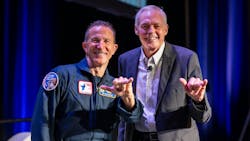
Our keynote speaker, Lt. Col. Bo McGowan followed this question of How will we do it all? with two overarching themes from his career as a combat decorated Air Force fighter pilot, squadron commander, and peak performance expert. Lt. Col. McGowan, call sign, “Guvner,” described with energy and enthusiasm how the principals of the “wingman” and the commitment to excellence captured in the phrase Push It Up will enable our industry to meet and overcome the challenges and willingly accept the opportunities we are currently facing.
The fundamental principles behind the concept of the “wingman” originated from successful strategies developed by fighter pilots as a means of defense and protection and grew to include teamwork and support. A fighter pilot, especially when flying a single-pilot plane, has a blind spot behind the plane. However when flying in formation, as a team, with another plane or “wingman”, each pilot can cover or see the other pilot’s blind spot. In dangerous skies, this mutual protection and support saves lives and dramatically increases the odds of a successful mission.
Bo encouraged those in attendance to apply the “wingman” approach to the challenges we are and will be facing in the power delivery industry. Similar to a fighter jet duo, two or more people working together are a force multiplier and are much more likely to complete a “successful mission”. The “wingman” approach increases the chances of success with teammates covering each other’s blind spots and holding each other accountable to the goals and objectives of the “mission”.
The highlight of the Guvner’s presentation was the motivational phrase "Push It Up." This phrase and associated hand gesture originated with the 35th Fighter Squadron in South Korea as a direct command for jet pilots to push the throttle forward for maximum power. Over time, Push It Up has evolved in the 35th Squadron fighter pilot community and business/life to imply giving maximum effort and taking action with passion and discipline.
Bo combined the teamwork, collaboration, and mutual support embodied in the “wingman” approach with the attitude, maximum effort, and discipline exemplified in the motivational phrase Push It Up as a roadmap for our industry to meet the challenges highlighted in current headlines. This approach will enable us to meet these ever increasing demands for reliable electricity benefiting our communities and country.
Lt. Col. Bo McGowan concluded his presentation by exhorting the more than 2200 of the best and brightest of the power delivery industry to “Push It Up”. Following Bo’s lead, the packed auditorium thrust their left hand in the air with pinky finger and thumb extended with a thunderous “Push it Up”.
For more information on Lt. Col. Bo McGowan and the Never Fly Solo program, contact Wingman Enterprises at www.yourwingman.com
About the Author
Ronald J. Carrington
Ronald J. Carrington is a project director at POWER Engineers Inc. and chair of the ASCE Electrical Transmission Structures committee. He is a registered professional engineer.