Innovative Stages at IEEE PES T&D Conference 2026: Shaping the Future of Power
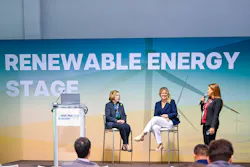
At the upcoming IEEE PES T&D Conference & Exposition in Chicago, organizers are placing a renewed emphasis on interactive, exhibit hall programming with the introduction of four dedicated “innovation stages,” each designed to spotlight a critical dimension of the power sector’s transformation.
Running May 5–7, the stages aim to move beyond traditional booth engagement, offering attendees a steady stream of expert-led sessions, panel discussions, and case studies directly on the show floor. The format reflects a broader shift within the industry toward faster knowledge exchange as utilities, technology providers, and researchers respond to rapid changes in load growth, grid complexity, and decarbonization.
The lineup includes the Innovation Stage, sponsored by Hitachi Energy; the newly introduced Data Center Stage, backed by Schweitzer Engineering Laboratories; the Grid Edge Technologies Stage, supported by Siemens Energy; and the Resilience & Renewables Stage, sponsored by GE Vernova.
A key addition this year is the Data Center Stage, reflecting the sector’s rapidly growing influence on electricity demand and system planning. As hyperscale development accelerates, sessions will examine how utilities are adapting to large, concentrated loads while maintaining reliability and managing interconnection timelines. The program is expected to highlight emerging partnerships between utilities and data center operators, as well as the technologies enabling more flexible, resilient power delivery.
The Grid Edge Technologies Stage focuses on the increasingly decentralized nature of the grid. Topics range from distributed energy resources and electric vehicle infrastructure to cybersecurity and digitalization. Speakers will explore how utilities are integrating advanced technologies while balancing operational complexity and customer expectations in a more dynamic energy landscape.
Meanwhile, the Resilience & Renewables Stage centers on the continued expansion of clean energy and the operational challenges that come with it. Sessions will address the integration of solar, wind, hydro, and other renewable resources, along with the growing role of energy storage and hybrid systems in maintaining grid stability. The stage also highlights how digital tools and advanced forecasting are being used to enhance system resilience in the face of extreme weather and evolving demand patterns.
Rounding out the program, the Innovation Stage serves as a platform for emerging technologies and new approaches to grid management. Presentations will feature advancements in areas such as artificial intelligence, digital twins, and robotics, alongside discussions on regulatory frameworks and investment strategies needed to bring new solutions to scale.
Collectively, the four stages underscore the conference’s focus on practical, forward-looking insights. By embedding this content within the exhibit hall, organizers are aiming to create a more integrated experience—one that connects technology demonstrations with real-world applications and strategic discussions shaping the future of transmission and distribution.