From Climbing School to Power Line Expert: A Journeyman Lineman’s Journey
Key Highlights
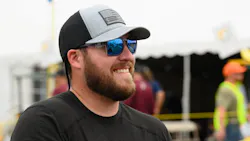
Max Blackwell, Duke Energy
- Born in Oxford, North Carolina, and has five brothers.
- Married to his wife, Lindsey. They have a baby boy named Stone.
- Enjoys saltwater fishing, hunting, playing golf, keeping active in church and building and working on projects whenever he has the time.
- Is based out of Roxboro, North Carolina.
Early Years
I was looking for a career change when my buddy, CJ, convinced me to go to climbing school with him. Once I got into it, I realized it was something I really enjoyed and could build a long-term career in.
I don’t have any relatives in the power industry, so it was something new to me. I started out as an apprentice and then worked my way up to becoming a journeyman lineman.
Day in the Life
My responsibilities include building, maintaining and repairing power lines and equipment so electricity stays safe and reliable for the customers and communities we serve.
A typical day starts early with a safety briefing and job planning with the crew to ensure we’re aligned on hazards, roles and the work plan. After that, we head out to the work site where we might be setting poles, running new line, replacing equipment or responding to outages. Every day is a little different depending on the work orders or any issues that come up — but the goal is always the same: do the job right, protect the crew and improve reliability for our customers.
Right now, most of our work involves maintaining existing lines, replacing aging equipment and responding to outages when they occur. A lot of that is proactive — catching worn or damaged material before it fails — so we can improve reliability, reduce repeat trouble and keep power flowing safely for customers.
Challenges and Rewards
One of the biggest challenges is working in all types of weather and sometimes long hours, especially during storms, while staying focused and following procedures.
The most rewarding part is knowing the work we do keeps power on for families and businesses — and when outages happen, being part of the effort to restore service and help communities get back to normal as quickly and safely as possible.
Staying Safe
Working in this trade makes you realize quickly how important safety is. I’ve seen situations where things could easily have gone wrong if people hadn’t been paying attention. Those moments reinforce how important it is to follow procedures, communicate with your crew and never rush a job. It really makes you appreciate the safety culture in the industry and the importance of looking out for each other, so everyone goes home safe at the end of the day.
Memorable Storm
One of the most memorable storms for me was an ice storm around Christmas a few years ago. The conditions were cold and rainy, and there were many outages due to ice weighing down the lines and trees. We worked hard through Christmas Eve trying to get power restored. I was able to finish up around dinner time and make it home for Christmas dinner, which meant a lot.
We worked about three days total on restoration, and it stood out to me because of the timing around the holiday and how important it was to get power back on for people.
Tools and Technologies
Some tools I couldn’t live without are Milwaukee battery-powered cutters and presses for crimping and squeezing connections. They make work faster and safer than older manual tools. We also use systems like the Argus mapping system, which helps us locate equipment and plan jobs more efficiently. Technology like that has really improved productivity and helps crews work more safely in the field.
Life in the Line Trade
Line work is a career where the work truly matters — you can see the impact of what you do every day, and especially during storms when people are counting on you. I’m proud to be part of a team that puts safety first and serves our customers and communities.
Planning for the Future
Looking ahead, I want to keep sharpening my skills, take on more leadership responsibilities as opportunities arise, and continue to be someone my crew can count on to deliver safe, high-quality work for our customers.
I plan to continue growing in the field by taking on more responsibility on the crew, stepping up to lead parts of jobs as opportunities come up, and building my experience across both maintenance and restoration work.
Long-term, I want to keep developing my technical skills and become someone the team can count on for safe decisions, solid work quality and helping train up the newer guys.