Entergy Arkansas, Google Expansion to Bring Additional Energy Resources to Arkansas Grid
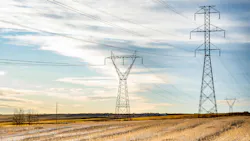
Entergy Arkansas announced a second phase of its partnership with Google to support the company’s West Memphis campus. The project includes approximately $600 million in planned infrastructure investments and a power purchase agreement, both funded by Google, to support the expanded data center and strengthen the electric grid for Entergy Arkansas customers.
The project is expected to generate at least $500 million in additional customer savings beginning in 2028 and extending over 20 years. This is in addition to the $1.6 billion in savings identified in Entergy’s Fair Share Plus pledge during the first phase of Google’s West Memphis investment.
Agreement Targets Customer Savings and Grid Improvements
Under the original and updated agreements, Google will pay the full cost of the power resources needed to serve its campus. Entergy Arkansas said the agreements are expected to provide $2.1 billion in net benefits to help cover fixed costs shared by its 738,000 customers.
The arrangement is part of Entergy’s Fair Share Plus pledge, which requires large customers to pay their full cost of service while providing measurable benefits to other customers.
Community and Economic Development
West Memphis and Crittenden County are receiving support through Google’s $25 million Energy Impact Fund, which funds energy affordability measures and workforce education initiatives. In July, Google also announced $5 million in energy affordability initiatives associated with the Steel River project to support Arkansas residents and K-12 schools.
“Google is increasing its investment in West Memphis and building on the significant success of its first phase. We are delivering on our promise to all Entergy Arkansas customers to create value for everyone we serve by ensuring Google is not only paying 100% of its power needs but is also contributing to the existing grid and lowering the costs for everyone else,” said Laura Landreaux, president and CEO of Entergy Arkansas. “This partnership brings even more benefits to the West Memphis community. And our agreement with Google, which covers both the original and expansion project, aligns with Entergy’s Fair Share Plus pledge, and is expected to return more than $2.1 billion in savings back to our 738,000 customers while upgrading the infrastructure Arkansas needs for the future.”
“We are deeply appreciative to be part of the West Memphis community. As we grow our local presence, our priority is to grow in a way that respects and strengthens the local community,” said Amanda Peterson Corio, global head of energy and power at Google. “By funding new solar, battery storage and transmission capacity, we’re helping deliver savings to Entergy Arkansas customers, while directly supporting energy affordability, grid reliability and local economic growth across the West Memphis community.”
“Google’s decision to expand its investment in West Memphis sends a powerful message. This is a great place to do business and a community worth investing in. From day one, Google has been a committed partner, creating jobs, bringing new economic opportunities, and investing in our residents, our schools, and our future,” said West Memphis Mayor Marco McClendon. “This latest investment is another testament to Google’s commitment to accelerating progress toward its goal of operating on 100% carbon-free energy by 2030, and I’m proud to say West Memphis is playing a role in making that vision a reality. This partnership represents more than economic growth. It represents a shared commitment to innovation, sustainability, and creating opportunities for future generations. We’re proud Google continues to see what we’ve always known. West Memphis is a place where businesses grow, investments make a difference, and communities thrive.”
Planned Energy and Transmission Resources
The expansion will support the planned data center buildings at the West Memphis site and accelerate development of the original project. The approximately $600 million in planned investments and the power purchase agreement, which will be funded by Google, include:
-
A 1,000 megawatt-hour battery energy storage system at Driver Solar near Osceola, expected to enter service in 2028.
-
A 400 megawatt-hour battery energy storage system near Hot Springs, known as Jones Mill, expected to enter service in 2028.
-
A 440-megawatt alternating-current solar power purchase agreement from the Big Island solar facility under construction in Mississippi County. The resource was added following guidance from the Arkansas Public Service Commission during the initial filing.
-
An expansion of the Galet substation near West Memphis and construction of two new 230-kV transmission lines to serve the expanded data center campus.
Combined with the Arkansas Cypress Solar and Battery facility under construction in Jefferson County, the additional resources will provide more than 1,000 MW of solar power and 2,800 MWh of dispatchable battery storage capacity.
These resources will supplement the Steel River Solar project in northeast Arkansas, which will provide additional grid capacity and energy through an arrangement between Google and Cypress Creek Energy.
“We are thrilled to partner with Entergy and Google as we continue to build the nation’s largest solar energy project, helping meet Arkansas’s growing electricity demand while using 100% U.S. – made solar panels and structural steel, with much of the material proudly sourced right here in the state,” said Kevin Smith, CEO of Cypress Creek. “The Steel River Energy Center will connect to the regional grid, adding new solar generation and battery storage capacity to help power Arkansas’s growing industrial economy, including steel manufacturing, new data centers and other major employers across the region.”
Entergy Arkansas said the combined resources are intended to provide power for the expanded campus while supporting reliability and service for its broader customer base.
Regulatory Review and Project Timeline
Google will fund the expansion under a new contract. The new resources will not be charged through the Generating Arkansas Jobs Act Rider.
The expansion will be submitted to the Arkansas Public Service Commission for approval and will undergo regulatory review. The contract provisions will be available to the commission and its staff, the Arkansas attorney general and other parties involved in the review.
Following input from state leaders regarding transparency, the regulatory filing will follow the commission’s recommendations for these types of agreements. The process is intended to provide customers with greater visibility into the benefits of the Google agreement.
Subject to regulatory approval, the expansion project is expected to enter service in 2028.
“The partnership demonstrates what is possible when thoughtful planning, responsible investments, strong regulatory oversight and customer protections intersect,” Landreaux said.